“Boost Bottle Beast”
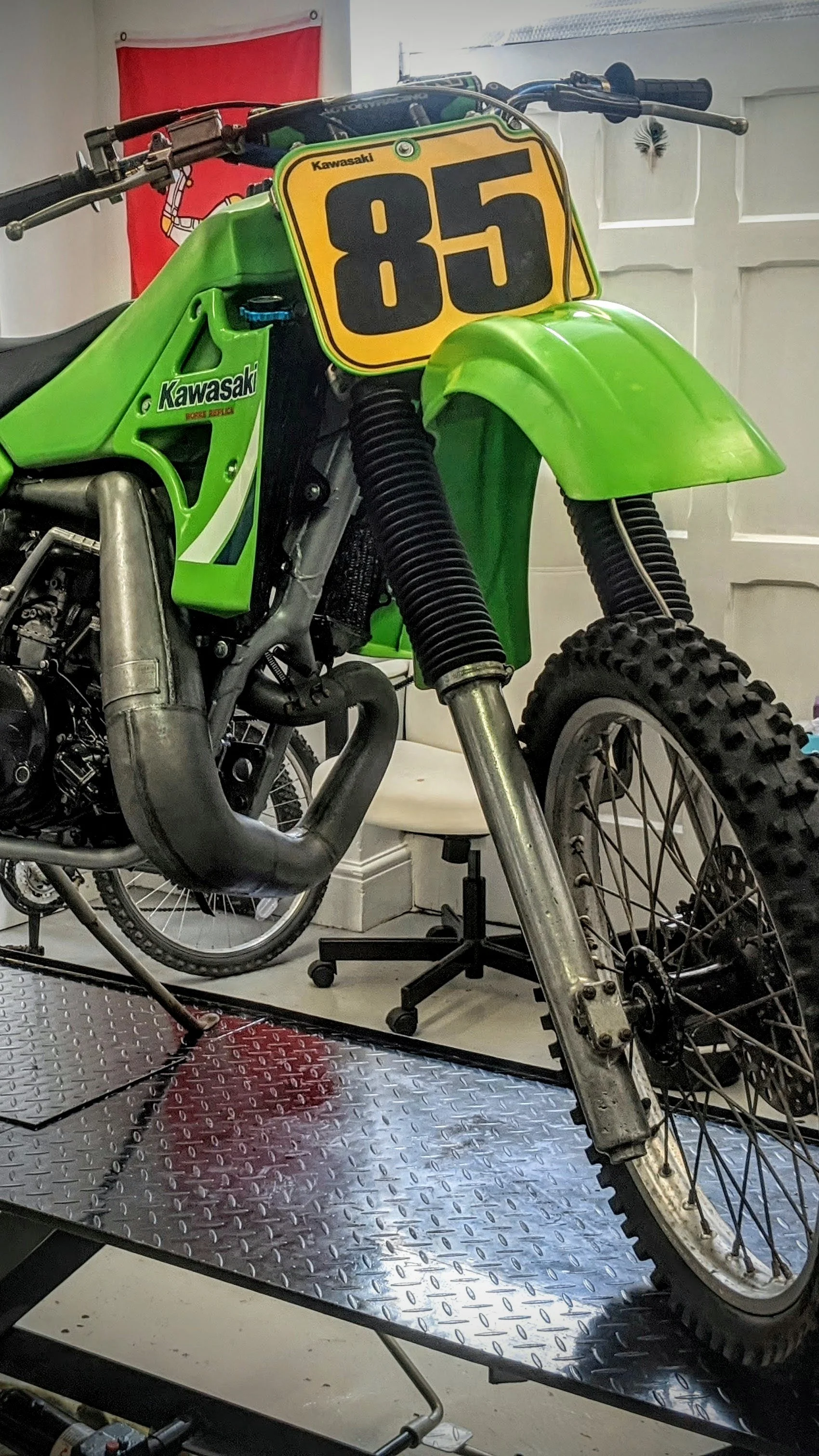
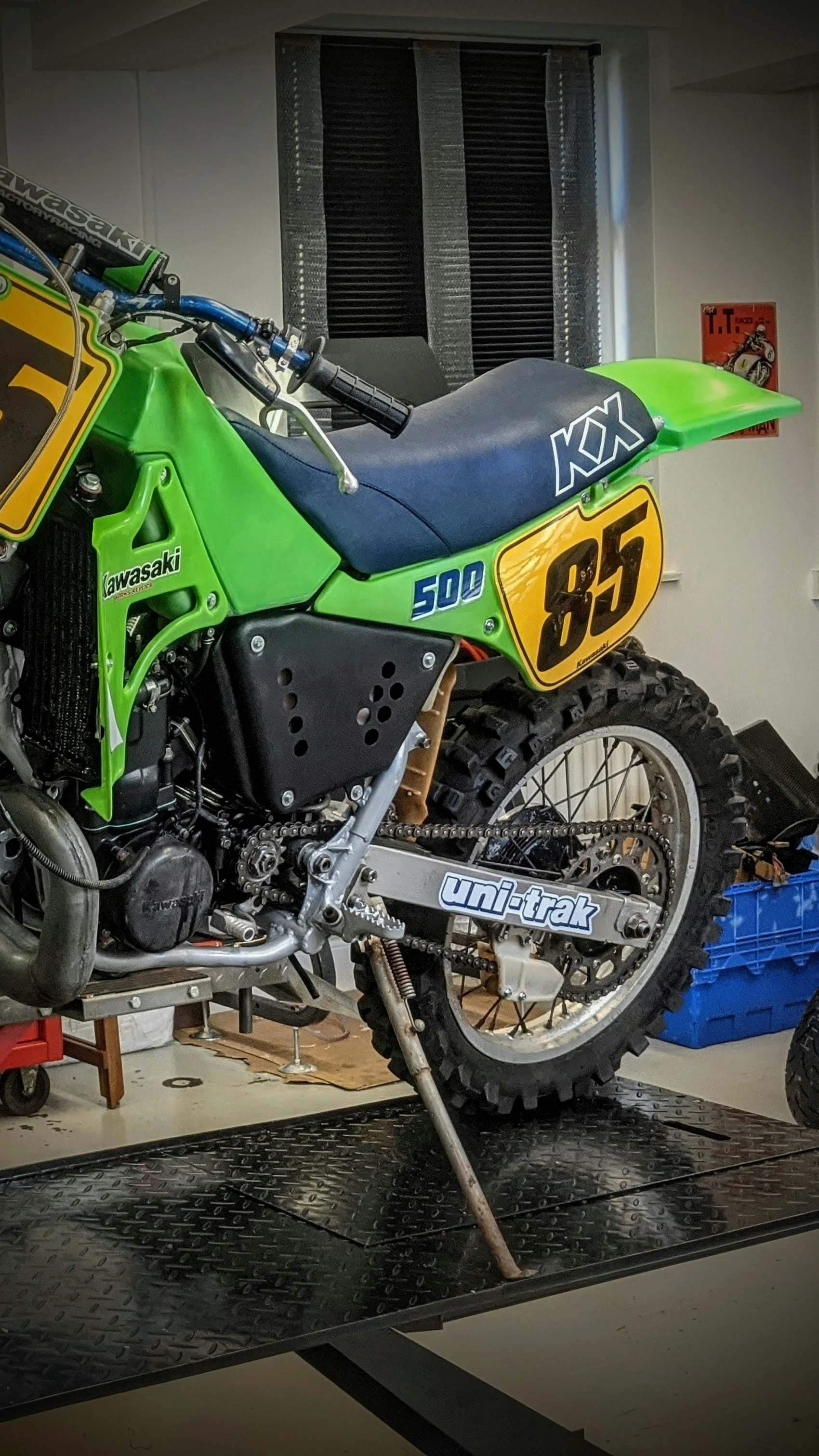
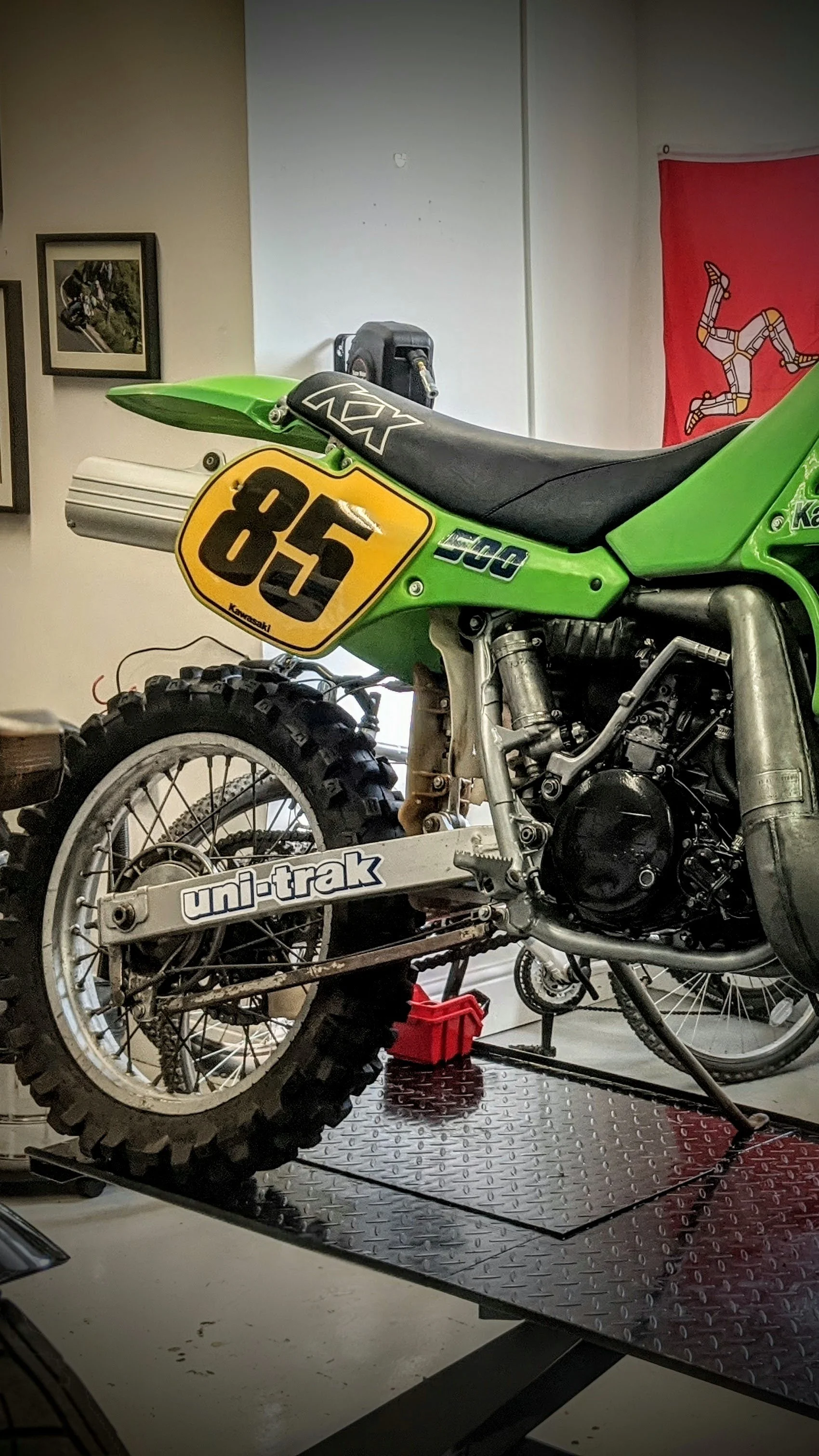
1985 Kawasaki KX500 B1
Restore • Recondition • Recommission
Some motorcycles become legendary because they win championships. Others become legendary because they try to rip your arms out of their sockets every time the throttle is opened.
The 1985 Kawasaki KX500 B1 firmly belongs in the second category.
This machine represents a hugely important moment in the evolution of big-bore motocross motorcycles and Kawasaki’s answer to Honda’s brutal CR500. Following the notoriously temperamental 1984 air-cooled KX500 — a machine infamous for detonation issues and self-destruction under sustained abuse — Kawasaki responded with an all-new water-cooled engine platform for 1985.
The result was lighter, faster, more durable and absolutely ferocious.
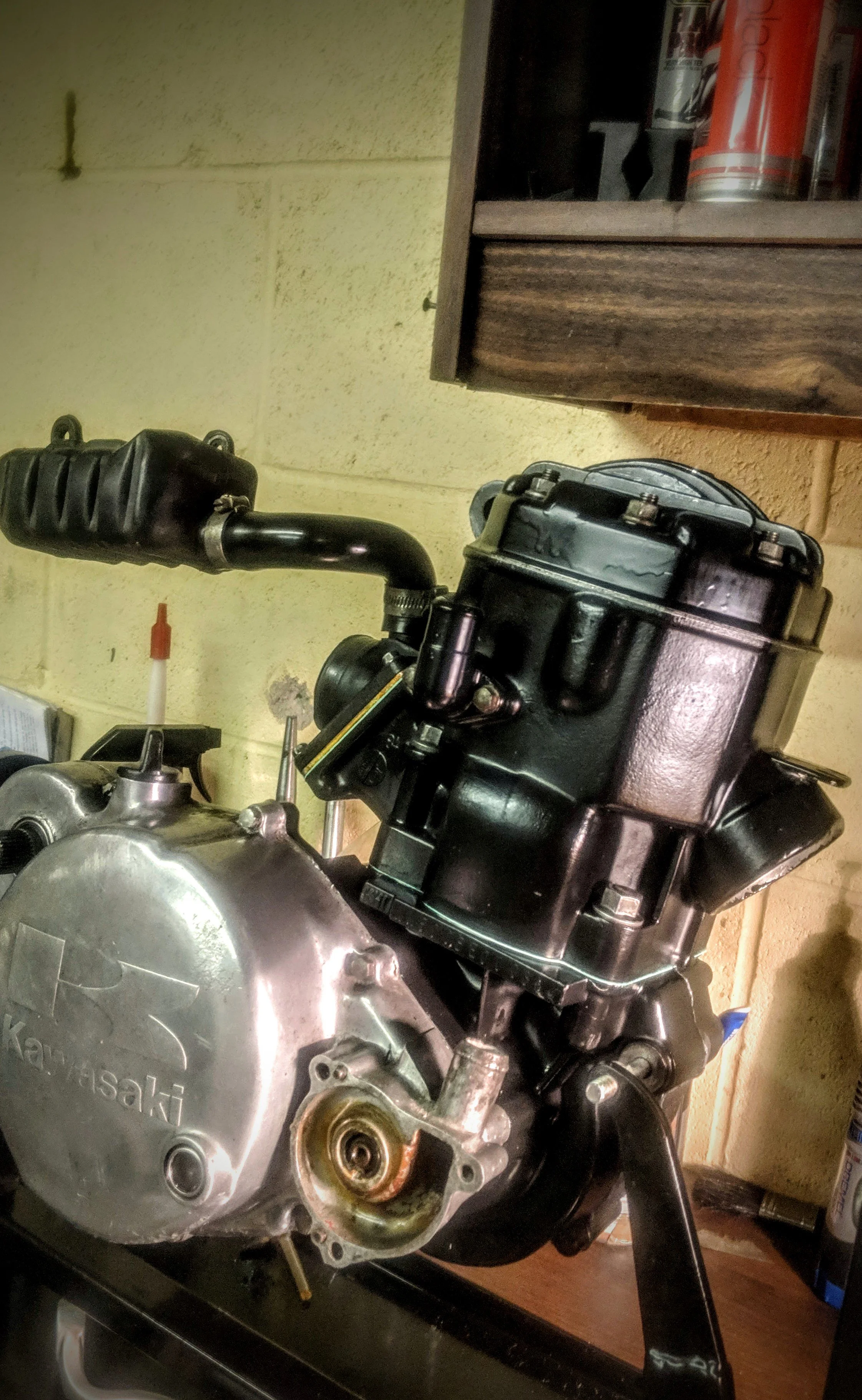
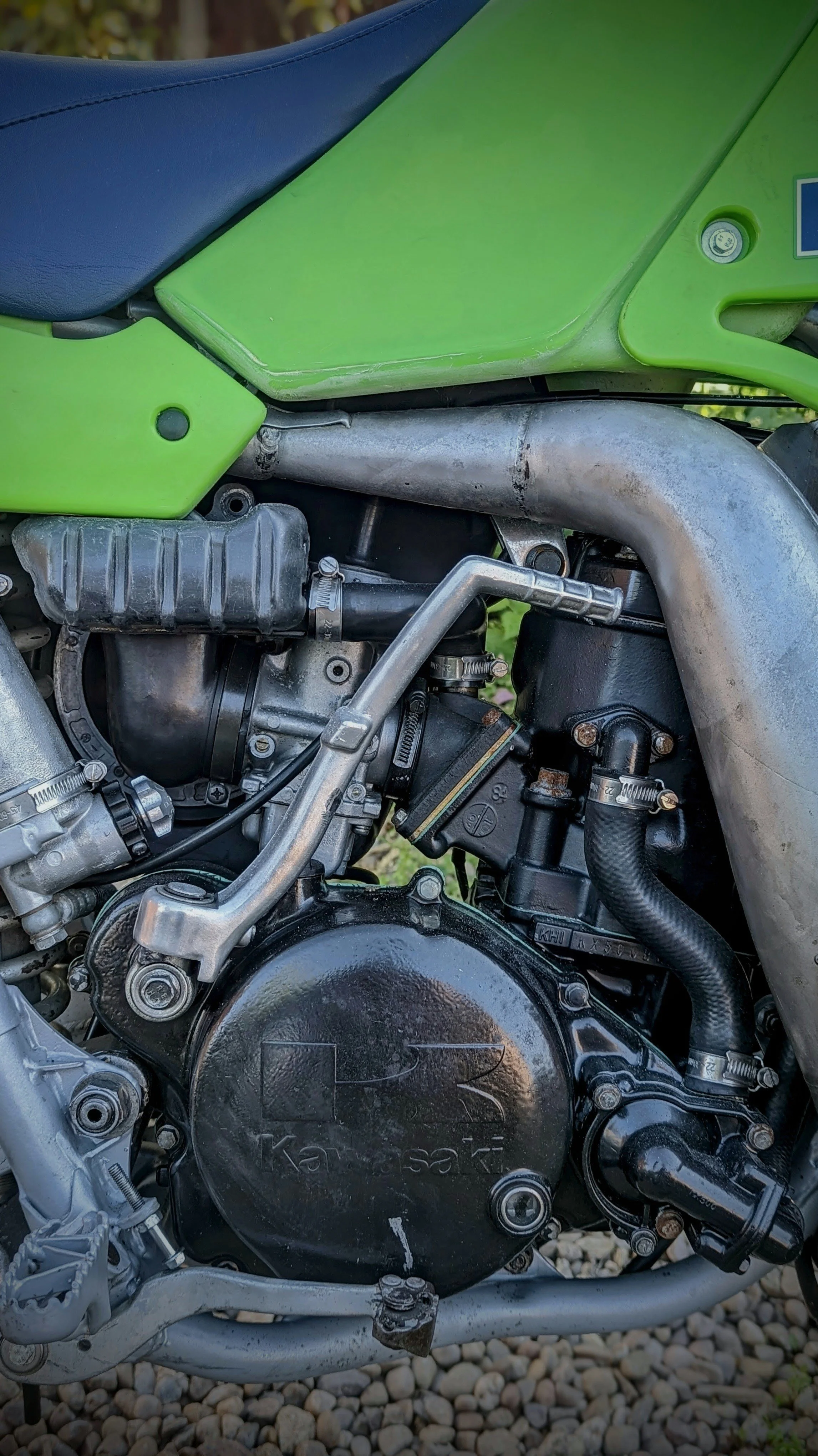
Interestingly, the 1985 model remained pre-powervalve and instead utilised Kawasaki’s unusual “Boost Bottle” induction system — a Helmholtz resonator connected to the reed valve intake tract. The theory was simple but clever: intake pressure waves generated by reed opening and closing could be manipulated and timed to improve cylinder filling and torque characteristics at specific engine speeds. In principle, very similar acoustic wave tuning effects are used in two-stroke exhaust expansion chambers, where returning pressure waves are timed to improve scavenging efficiency and maximise cylinder filling.
The system only appeared briefly before Kawasaki introduced the first-generation KIPS mechanical powervalve system on the 1986 model.
As a result, the 1985 KX500 B1 stands today as a fascinating one-year-only transition model — with approximately 2,000 units believed to have been produced globally.
This particular motorcycle was an original UK-supplied machine retaining matching engine and frame numbers as confirmed by Kawasaki UK — exceptionally rare for a machine designed to spend most of its life being raced hard, crashed repeatedly and mechanically abused.
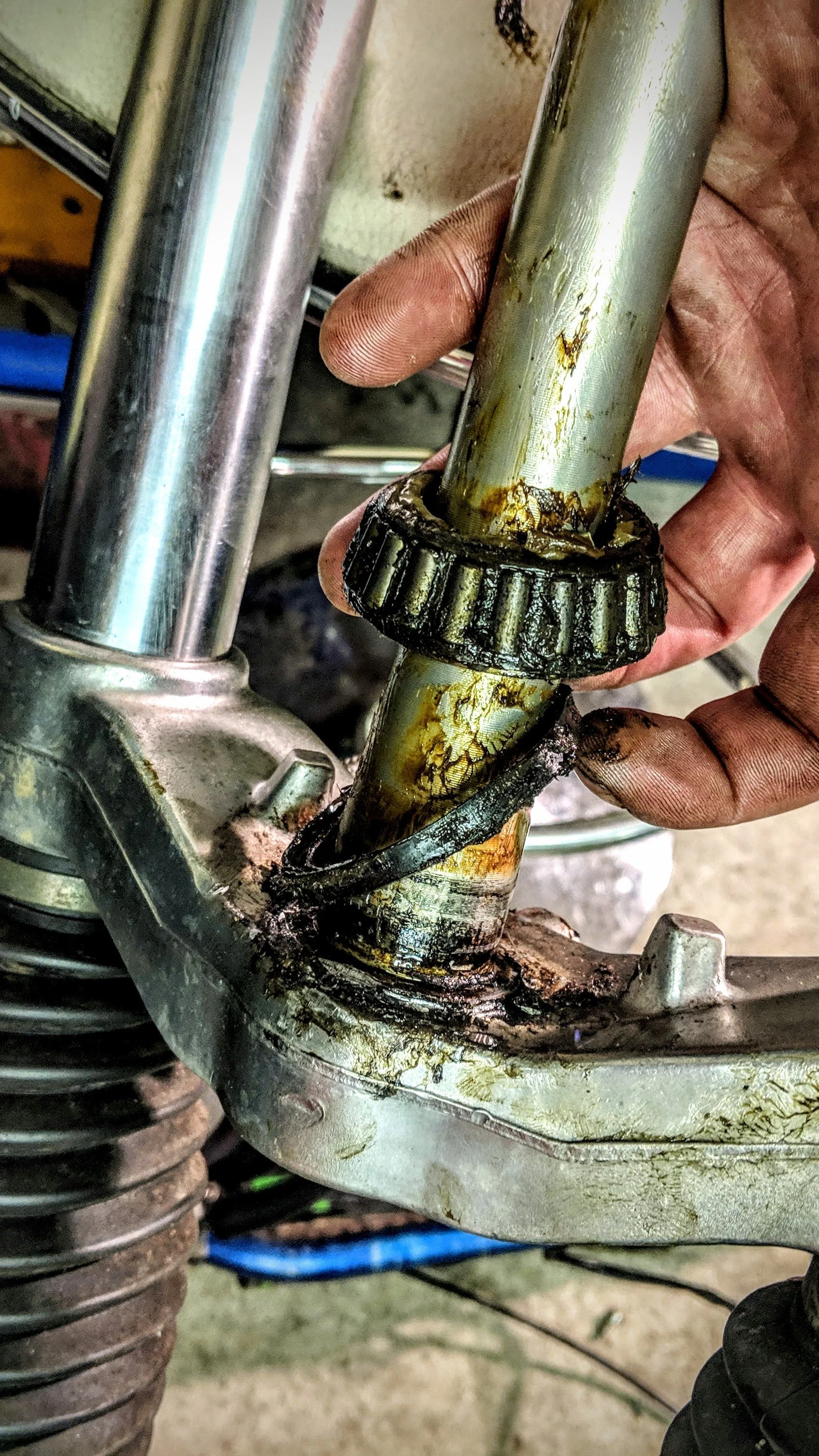
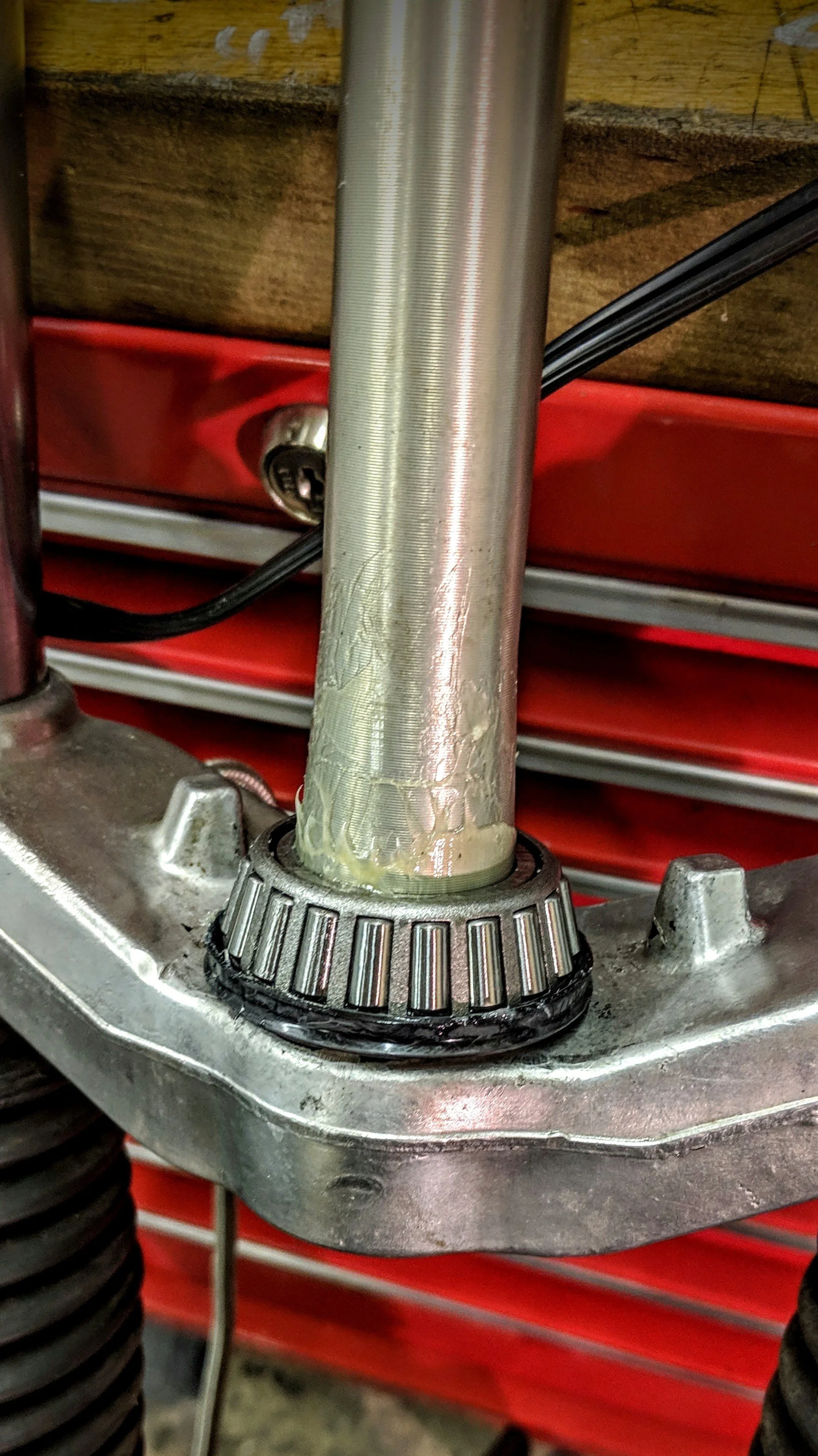
The condition of the frame lockstops alone told a story. Clean, straight and undamaged, they testified to a bike that had somehow survived the era without suffering the catastrophic front-end impacts so common on old motocross machinery.
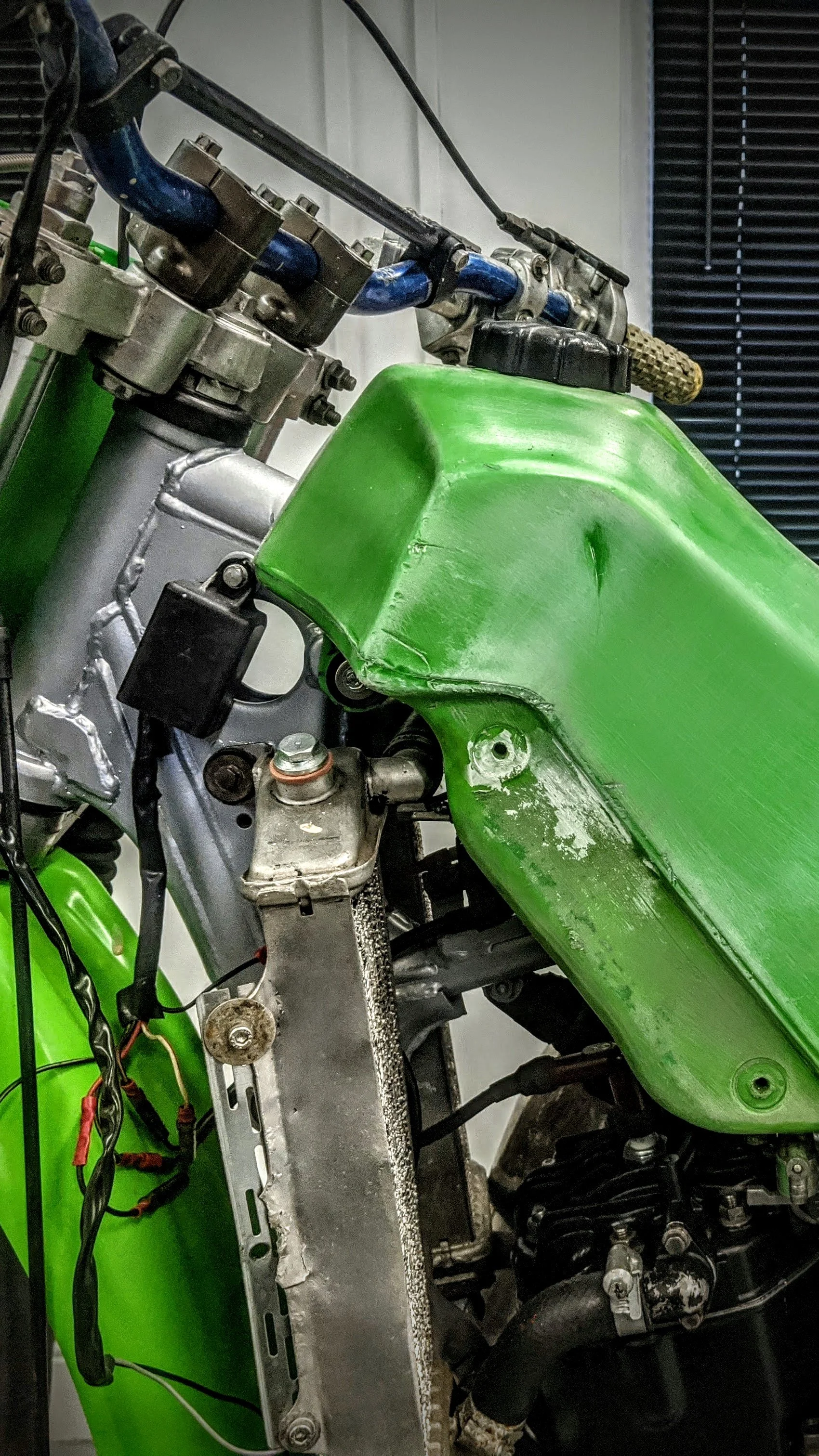
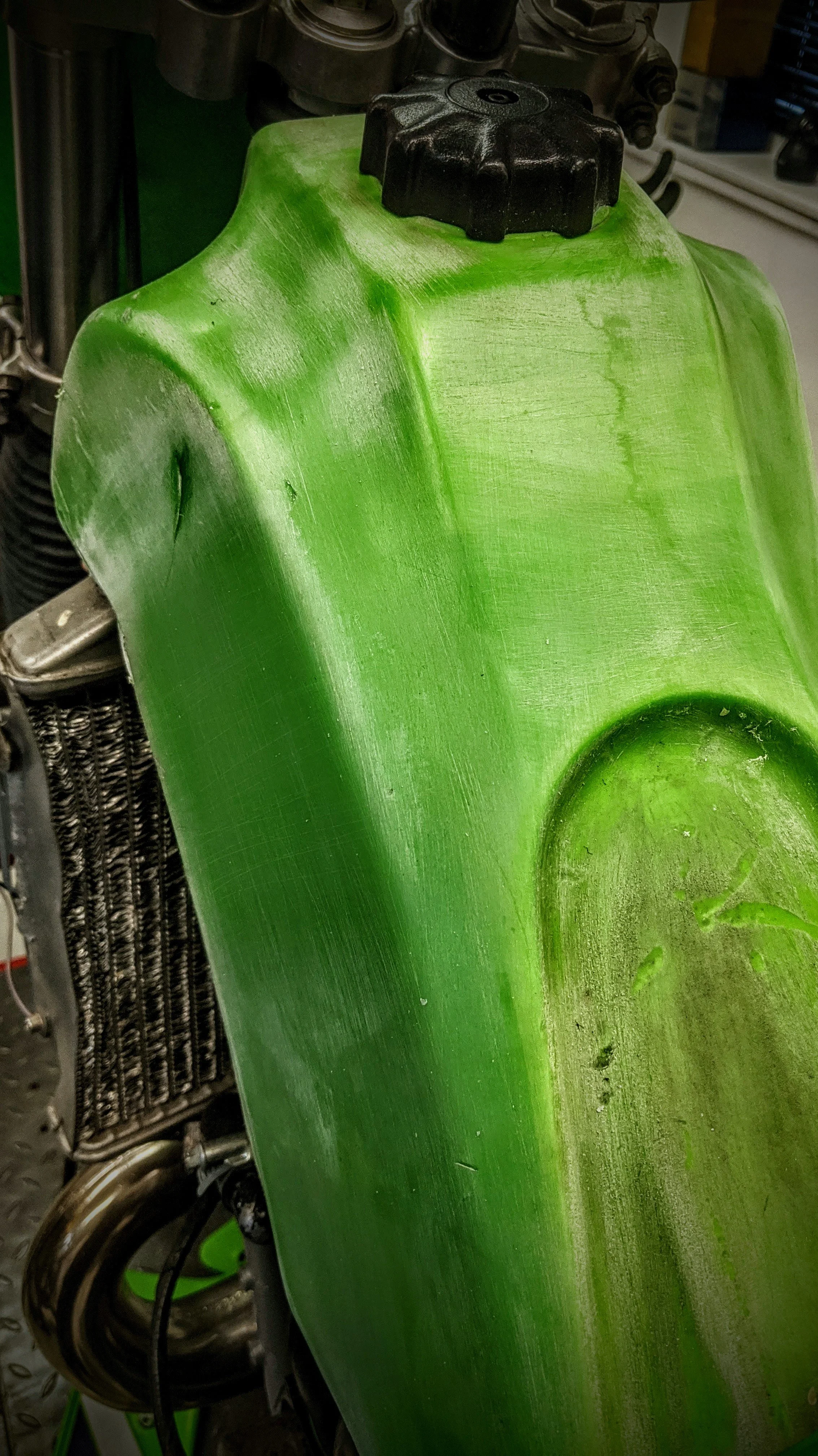
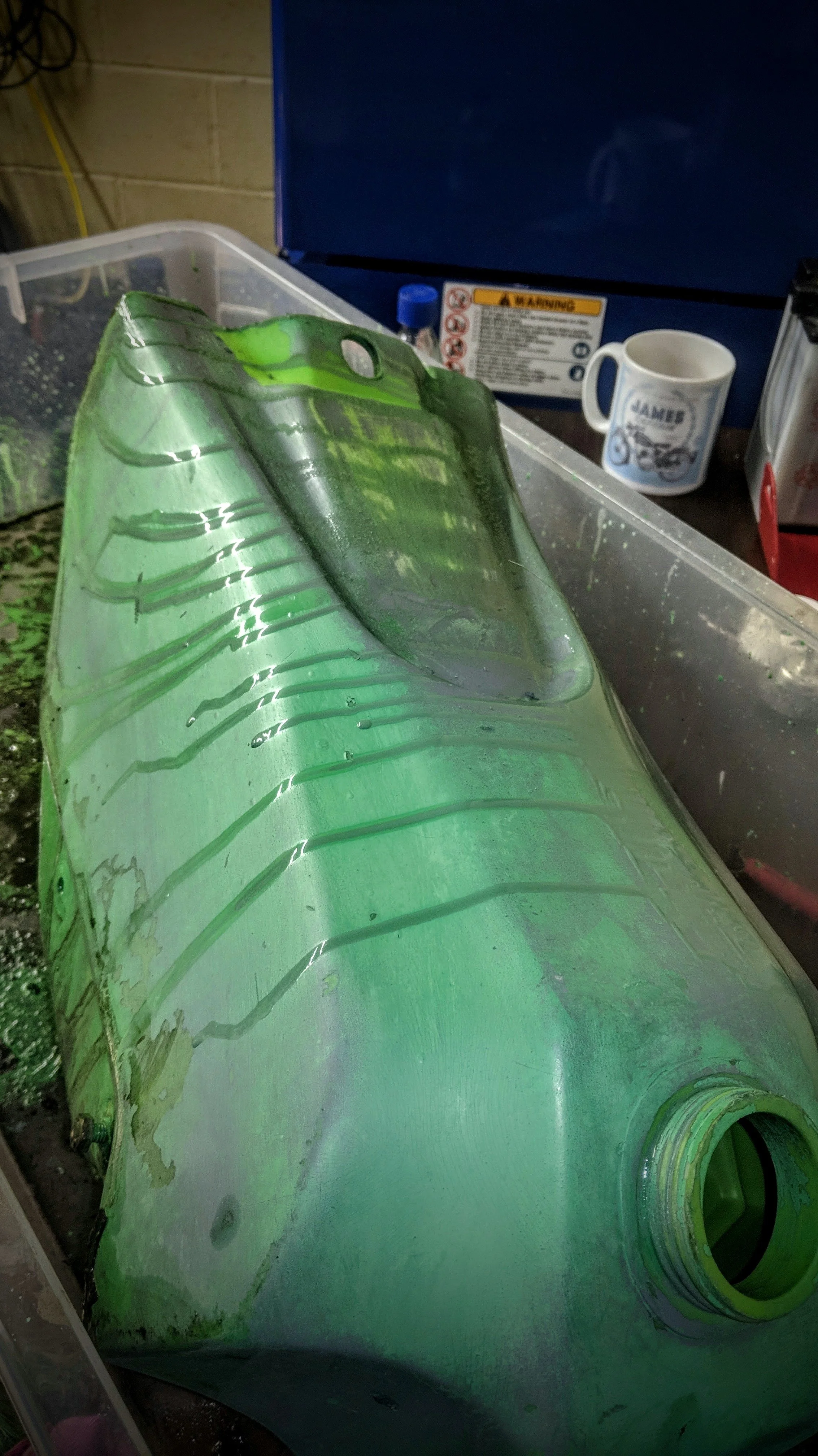
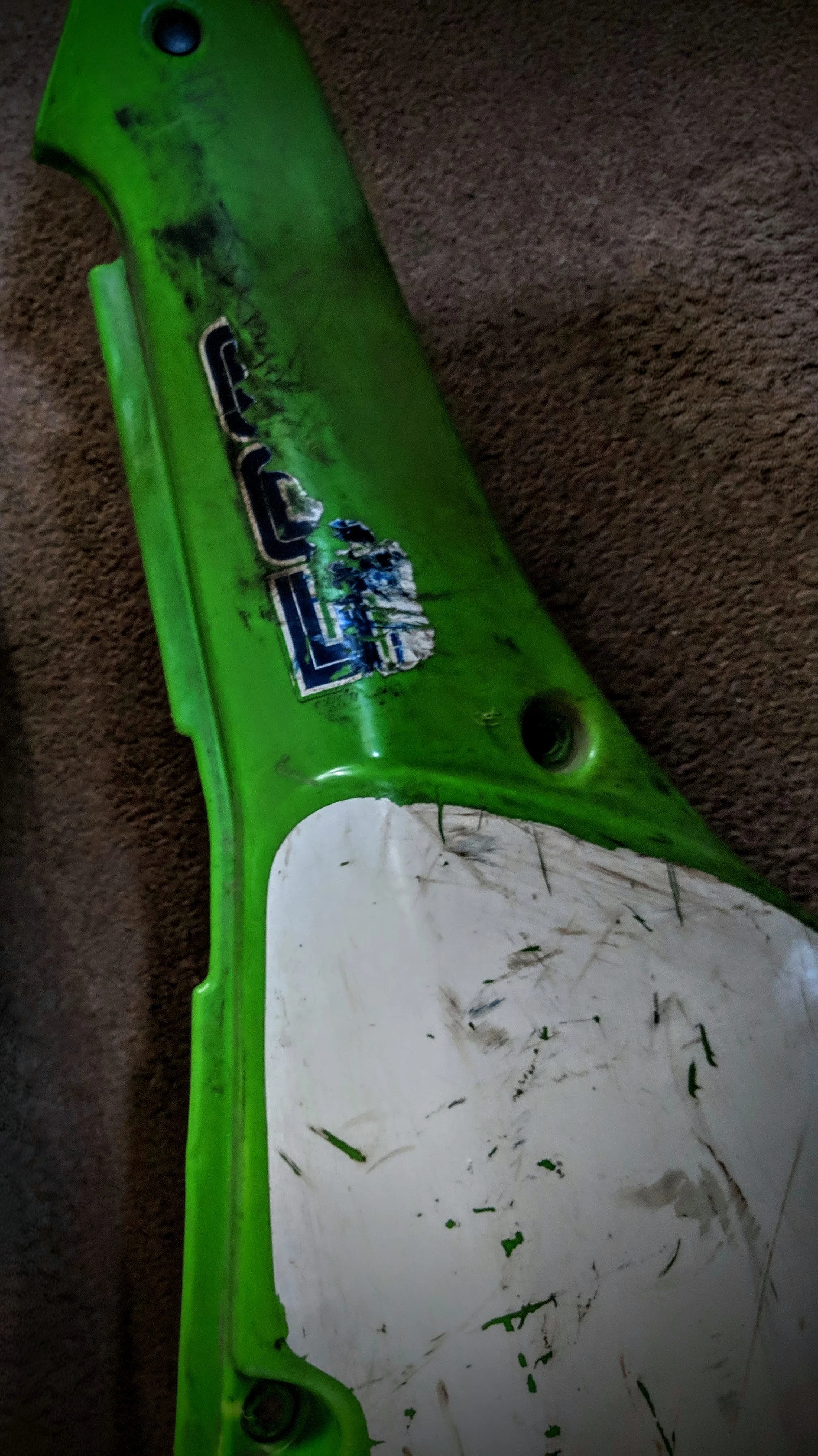
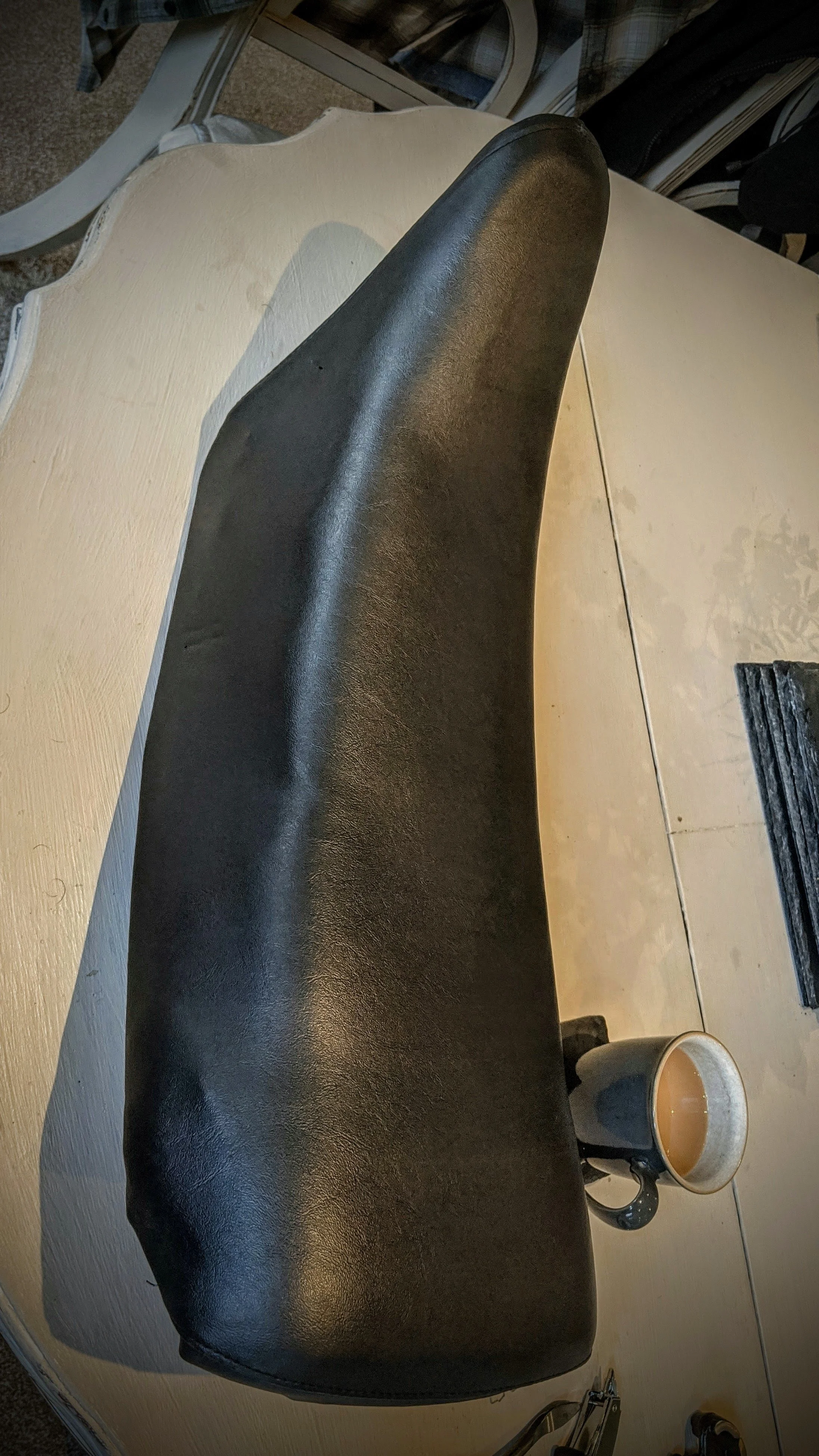
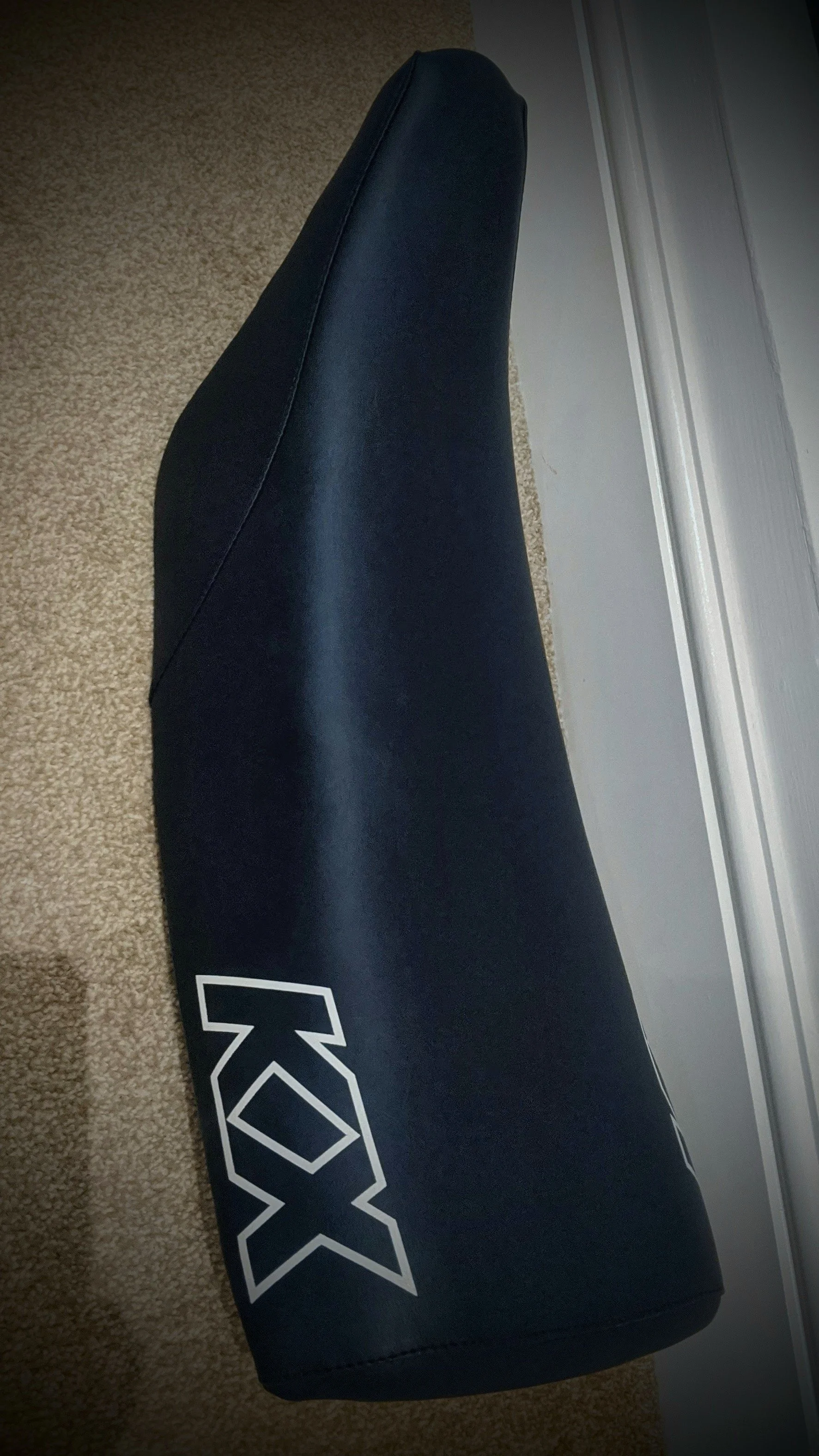
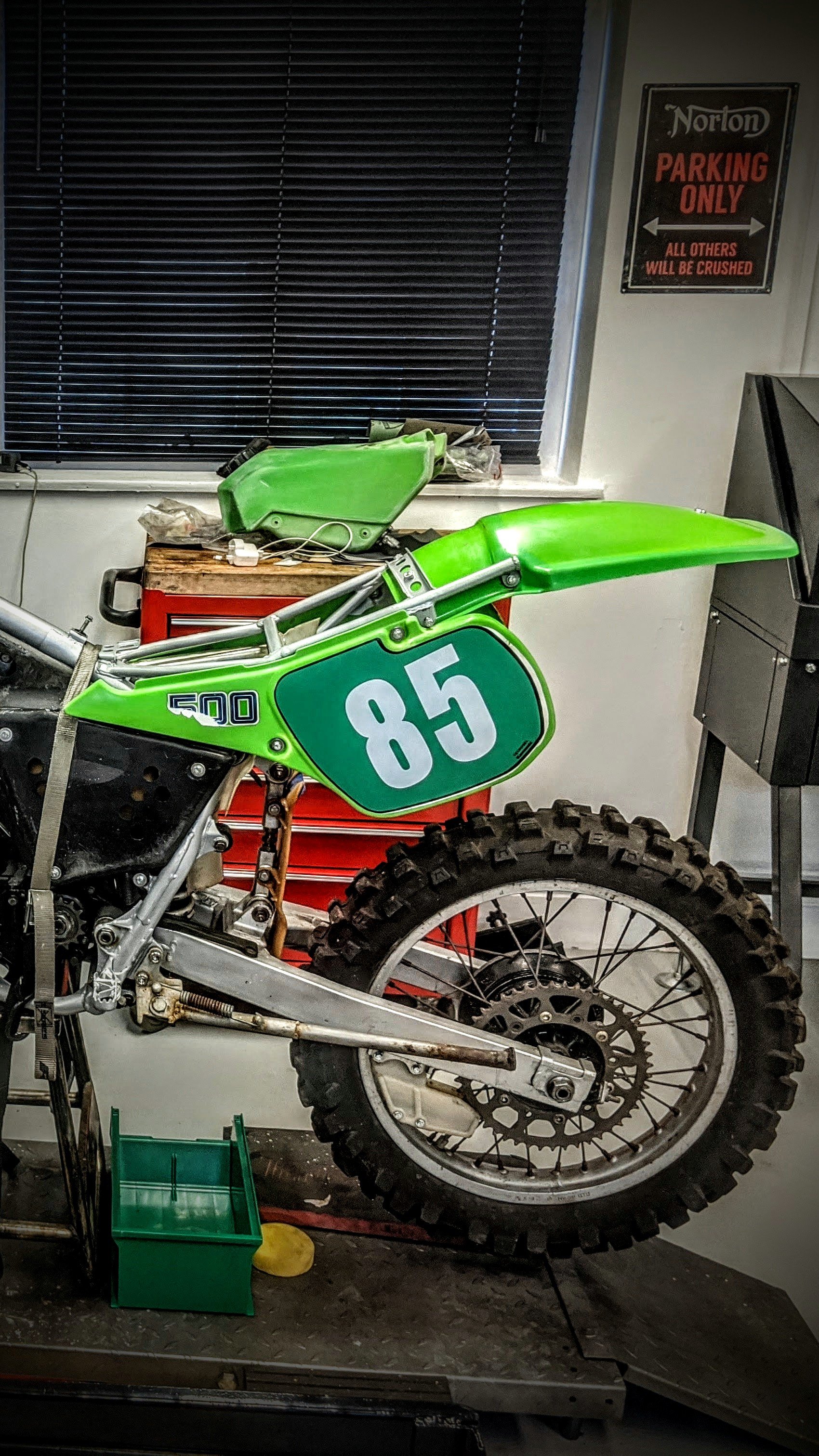
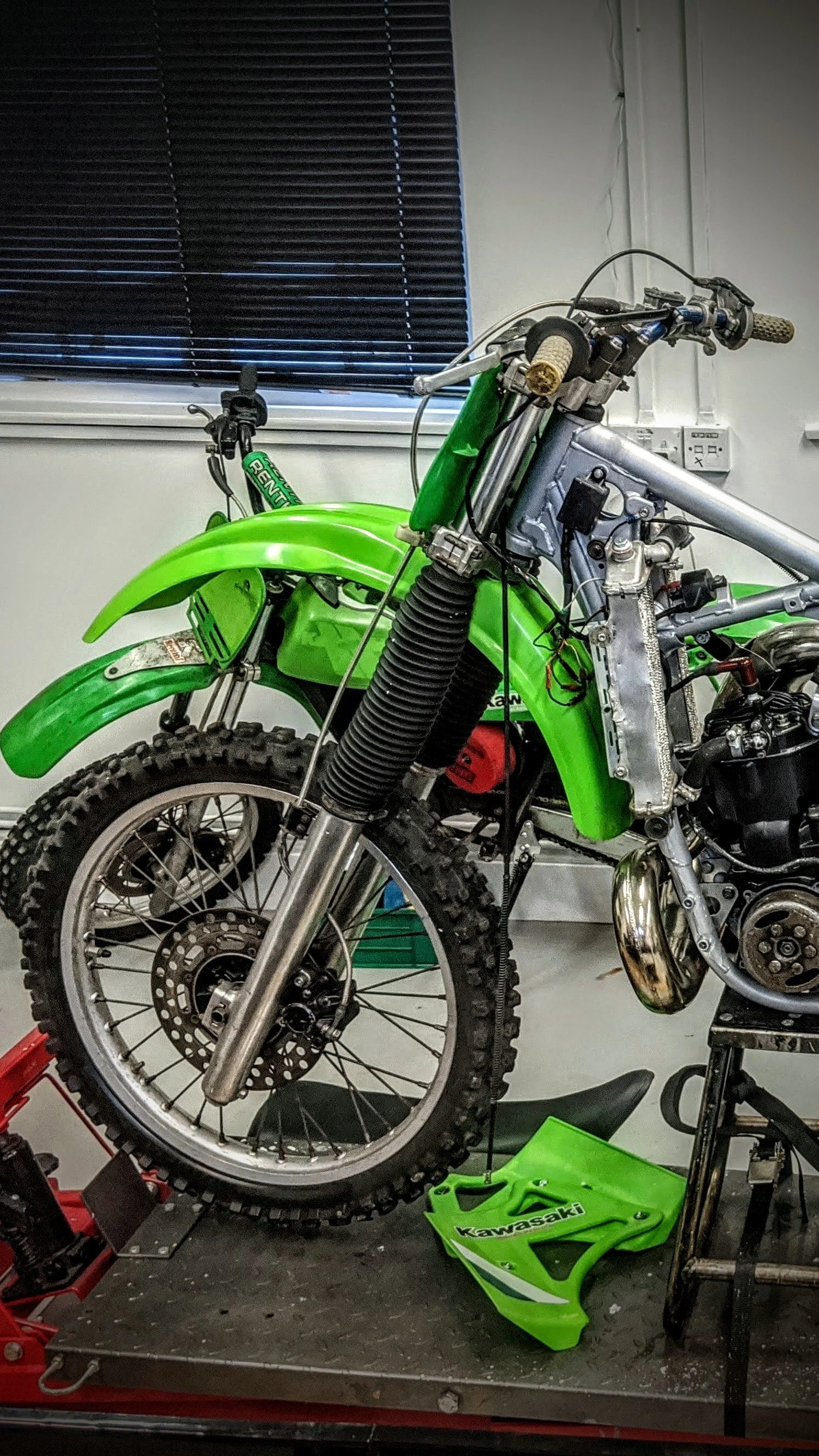
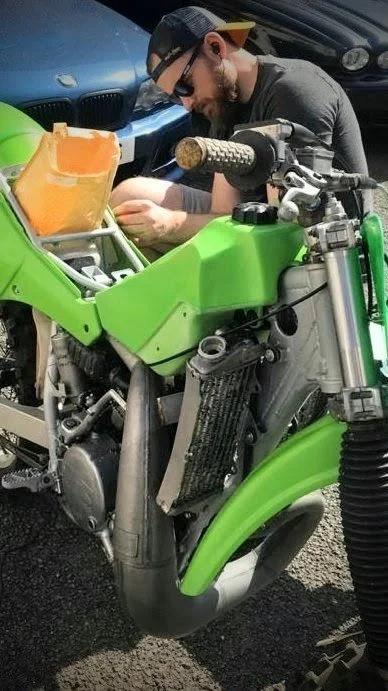
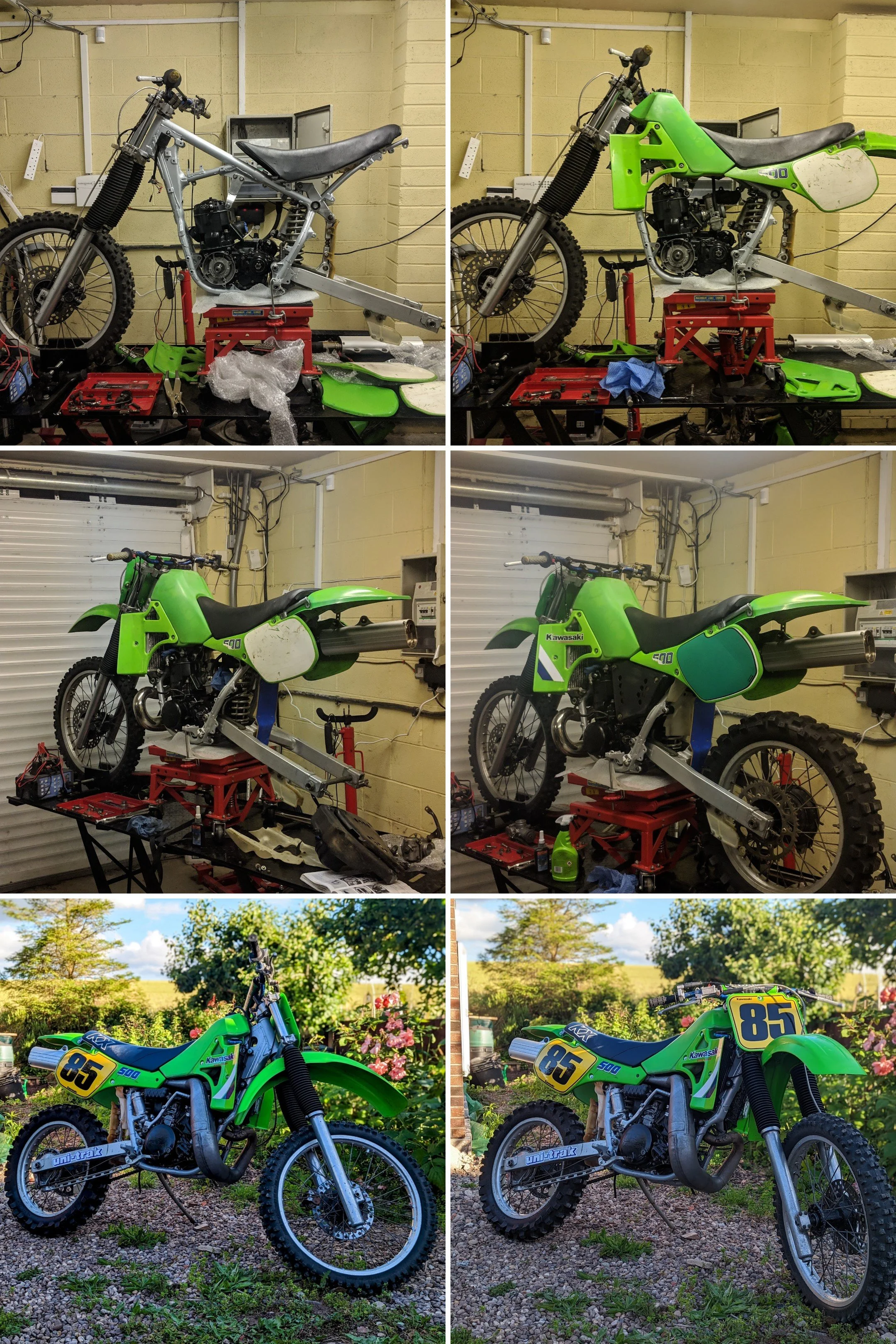
The motorcycle arrived largely complete but carrying the scars of decades of genuine use and ageing. The bodywork had suffered over the years, while a previous owner had painted the original fuel tank green. Several plastics were also incorrect aftermarket replacements, including the rear mudguard — a particularly difficult component to source due to the fragile one-year-only flat-profile Kawasaki design that was highly prone to cracking and snapping under motocross abuse.
Rather than creating an over-restored “show pony,” the customer brief focused on preserving originality, authenticity and honest patina.
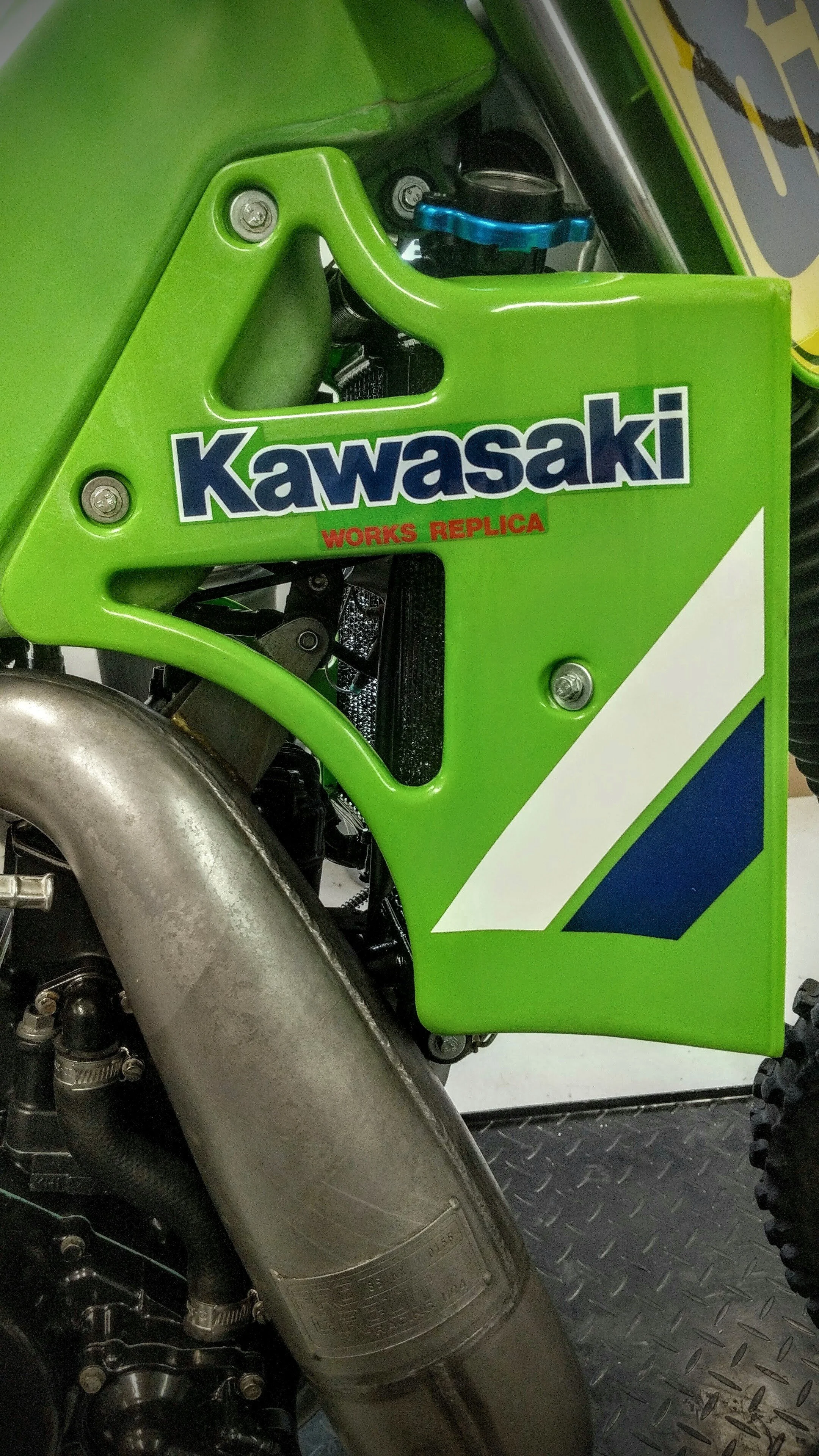
Extensive sourcing work located correct original Kawasaki bodywork components, including the elusive rear mudguard. The plastics were then carefully hand-sanded through multiple grades to recover as much original finish as possible while intentionally retaining the wear and character earned through years of riding.
Mechanically, however, the bike required far more significant intervention.
The gearbox was slipping out of gear and the overall engine hours were completely unknown, leading to a full engine teardown and restoration.
Work completed included:
• Complete engine strip and rebuild
• New forged Wiseco flat-top piston fitted
• New connecting rod assembly
• New big-end and little-end bearings
• New SKF main bearings
• Full gearbox bearing replacement
• Replacement selector forks
• Upgrade to later-spec gearbox internals with improved flat-faced engagement dogs
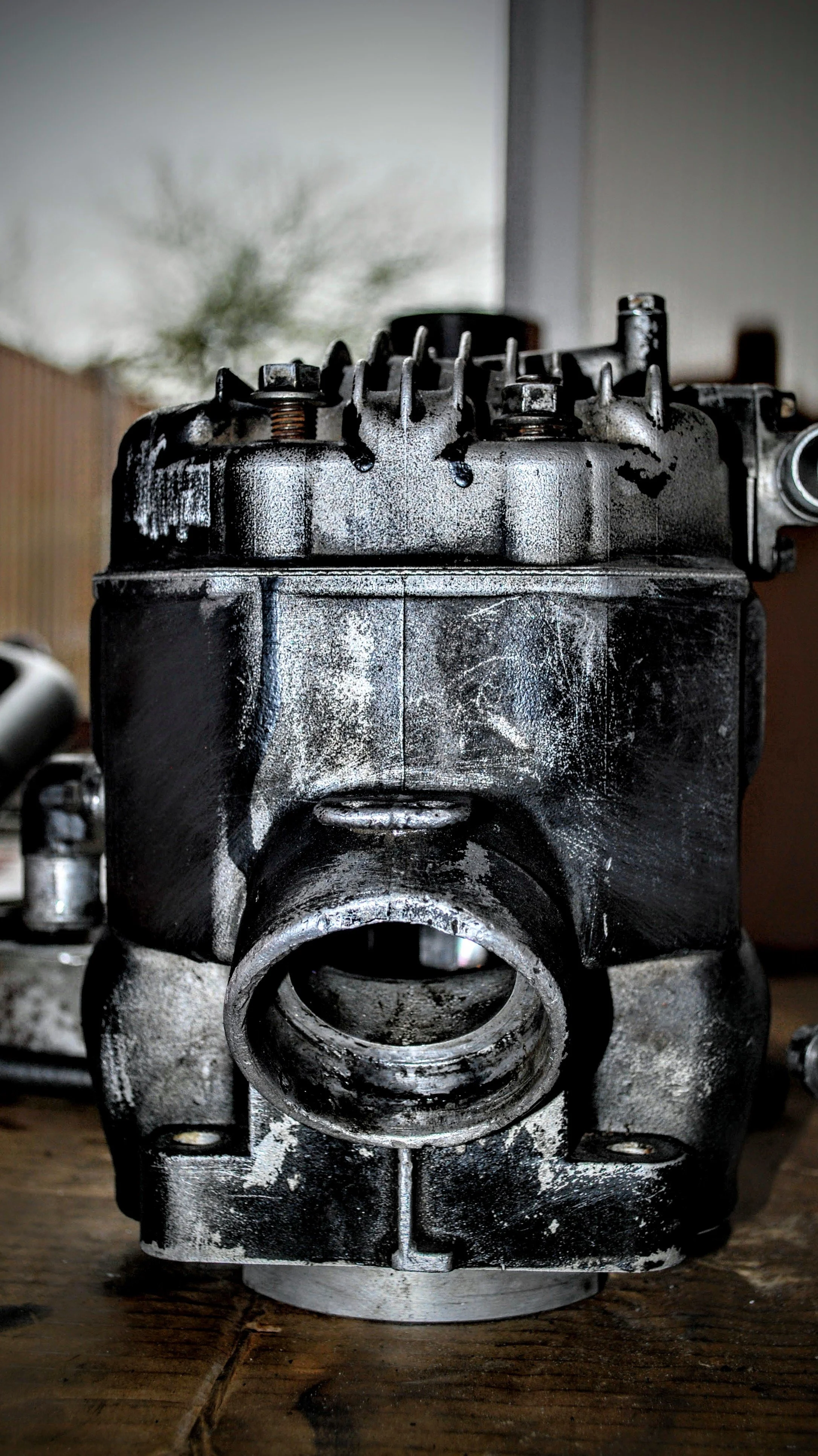
• Cylinder machining and iron liner installation
• Cylinder head skim and inspection
• Full gasket and seal replacement throughout
• Carburettor restoration and setup
• Cooling system overhaul
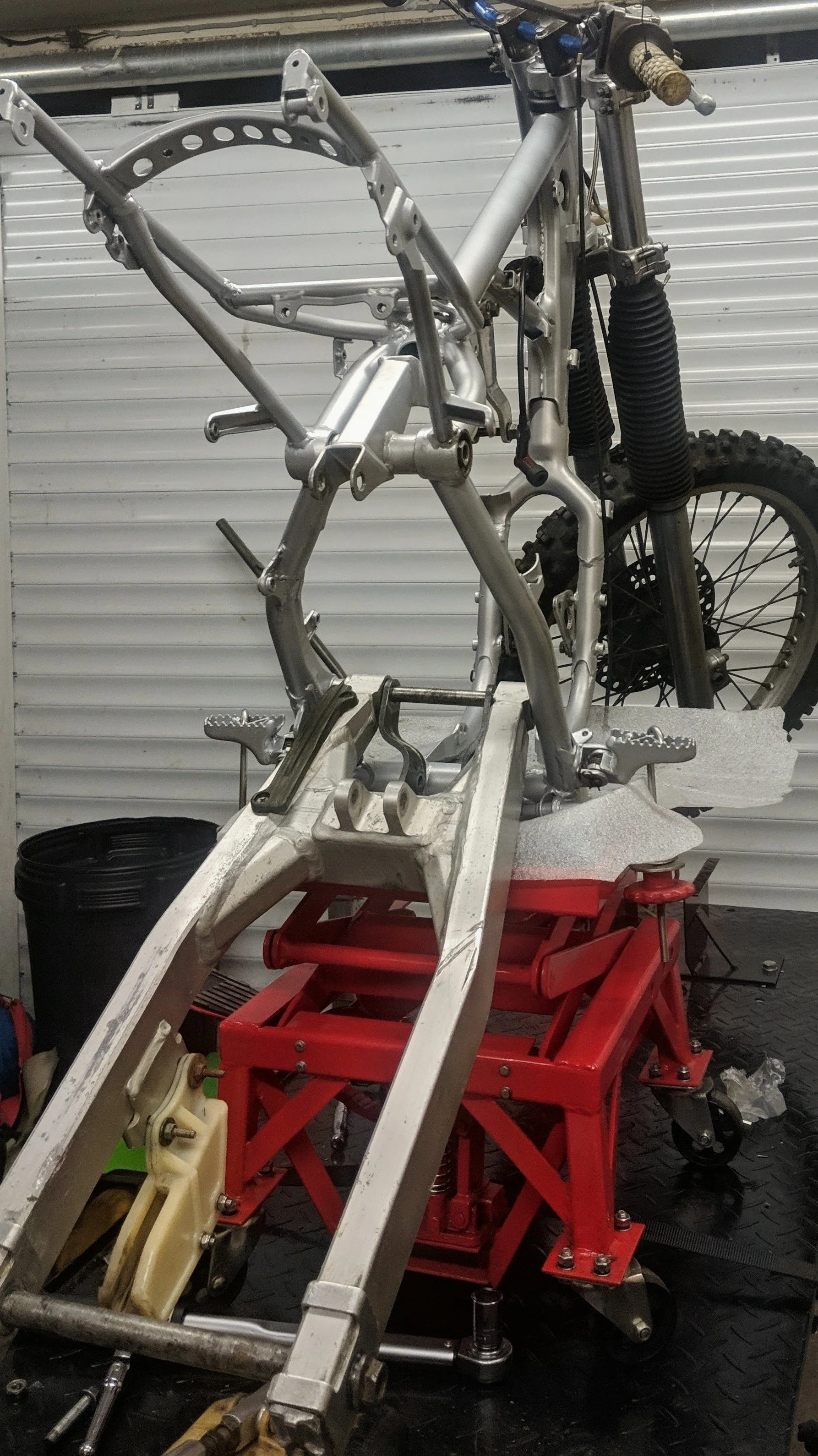
• Chassis inspection and sympathetic recommissioning
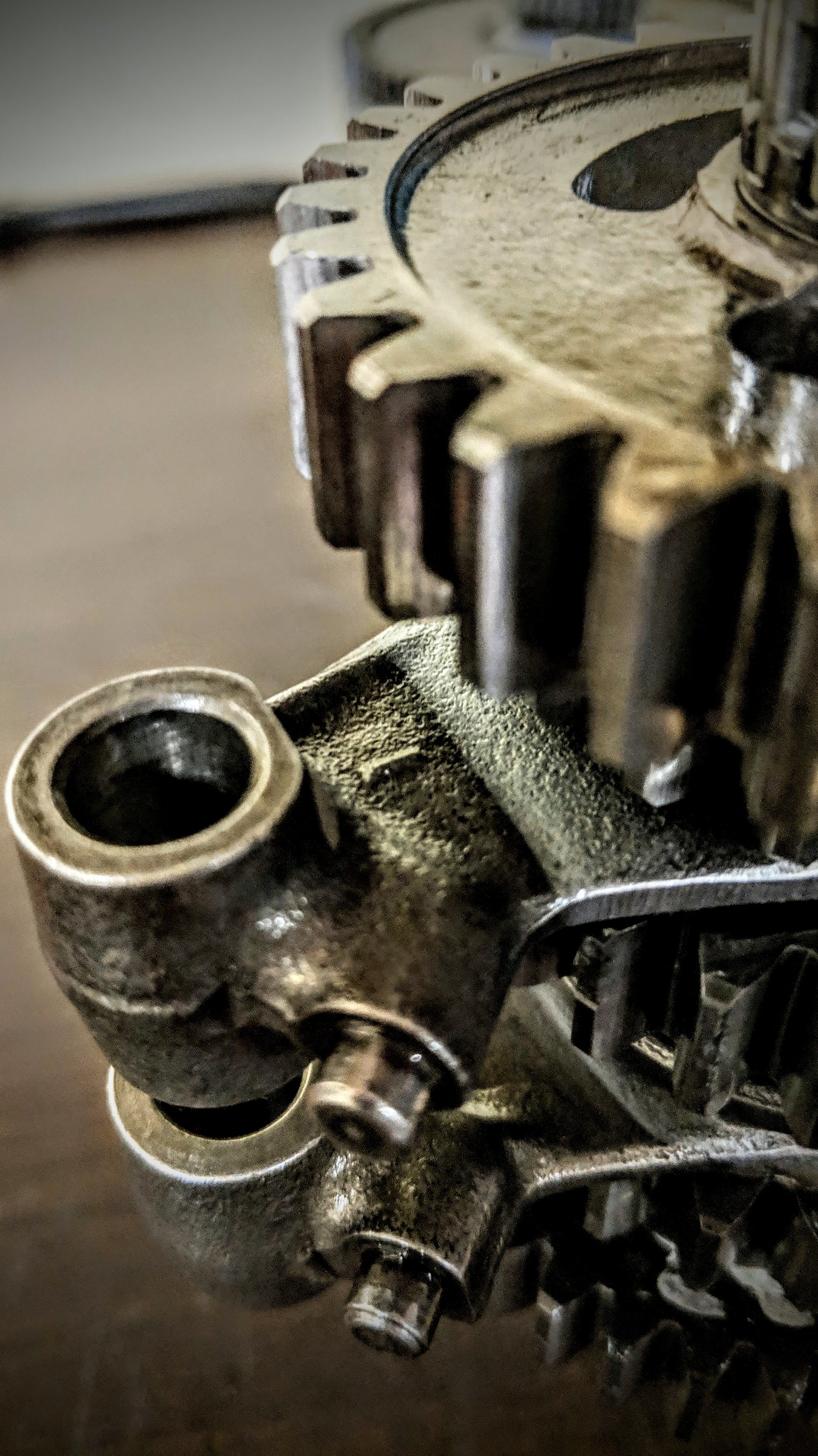
The original low-VIN gearbox used the early “tic-tac” style engagement dogs which, combined with selector fork wear, caused the transmission to jump into false neutrals under load. A later 1985 specification gearbox using larger flat-faced dogs was sourced and installed while retaining the original ratios.
In keeping with the owner’s request for longevity over outright aggression, the original domed piston configuration was replaced with a forged flat-top Wiseco piston. Alongside the cylinder head machining work, this slightly softened the engine’s compression characteristics while improving long-term reliability and future serviceability.
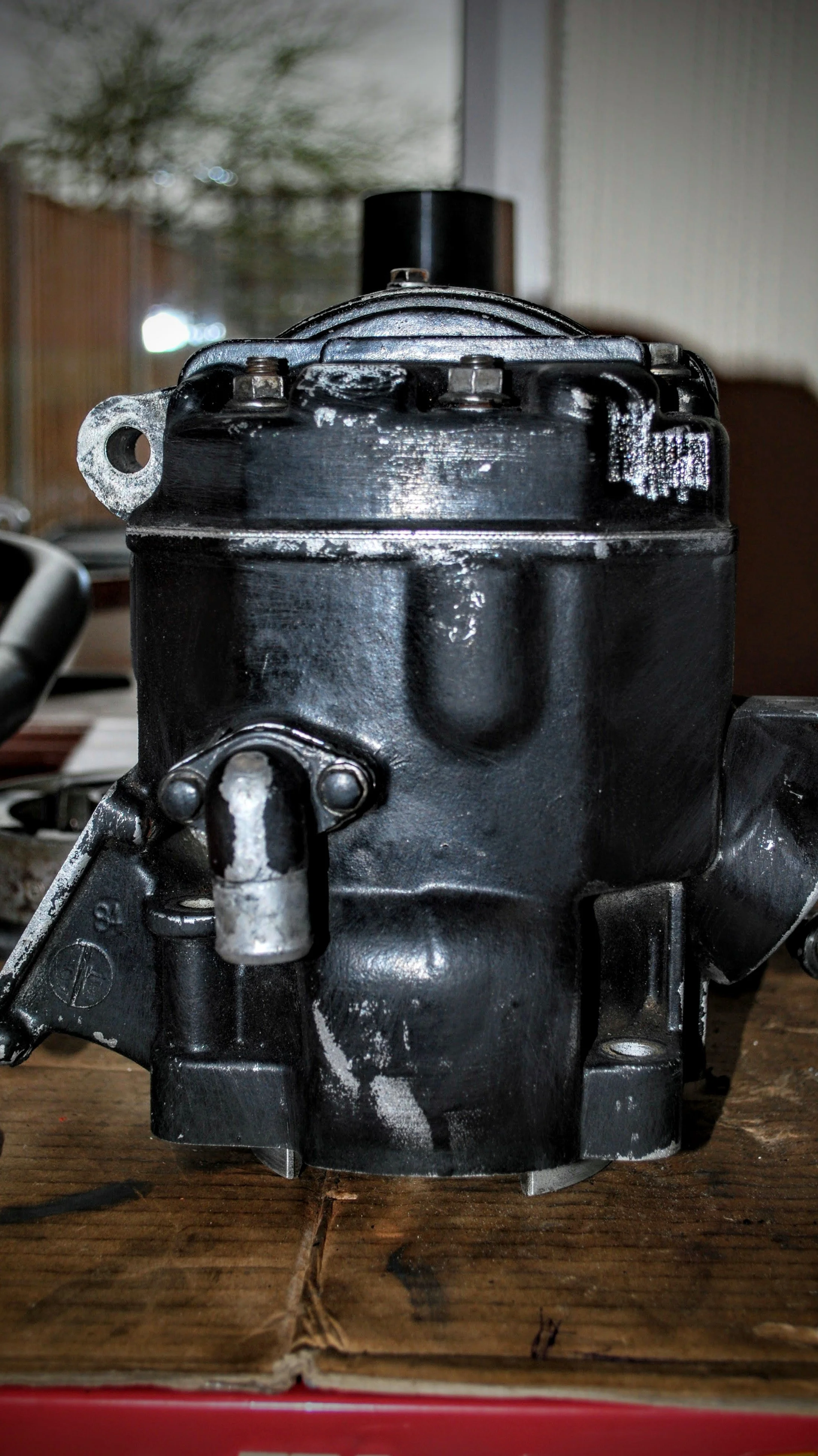
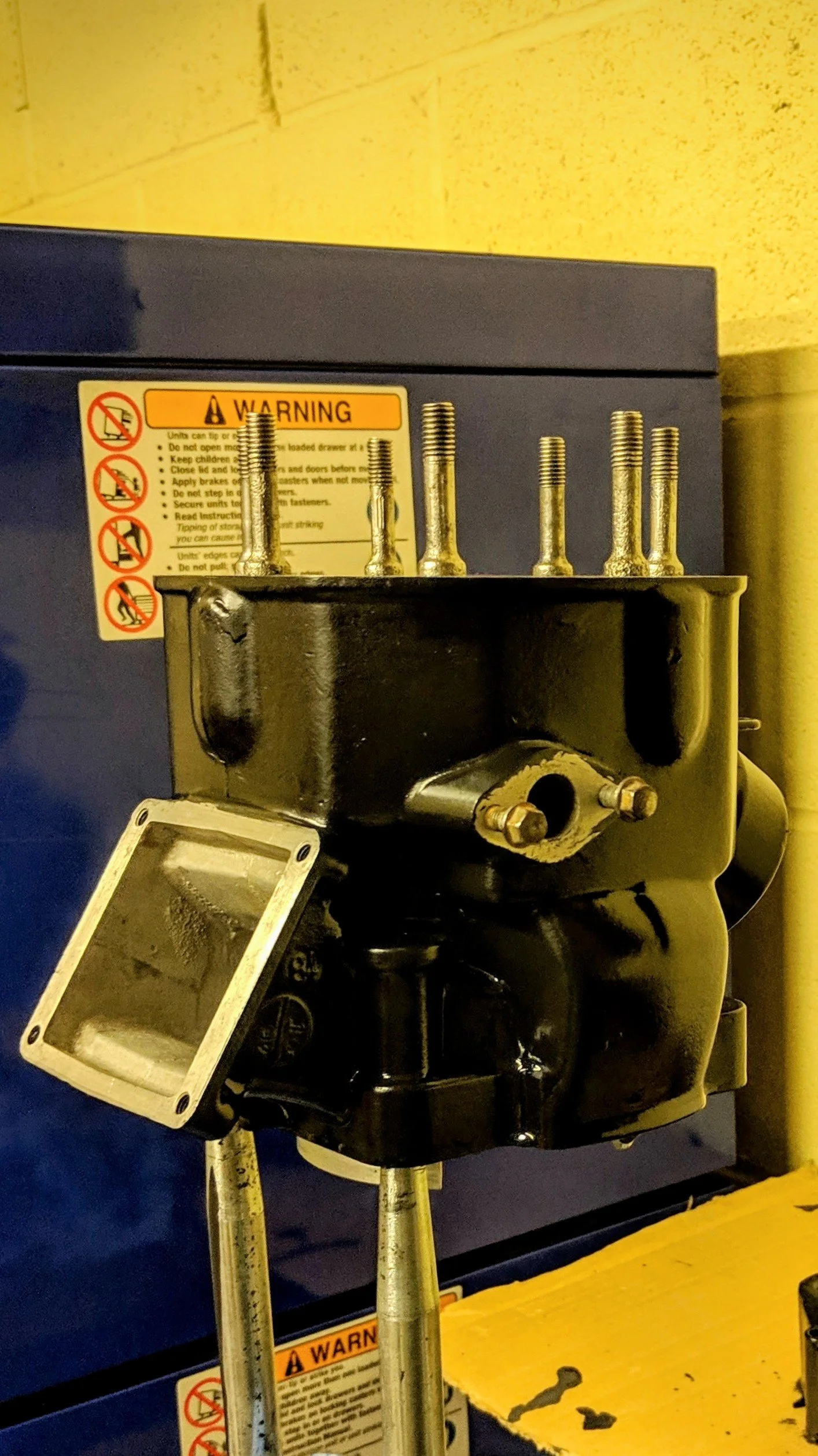
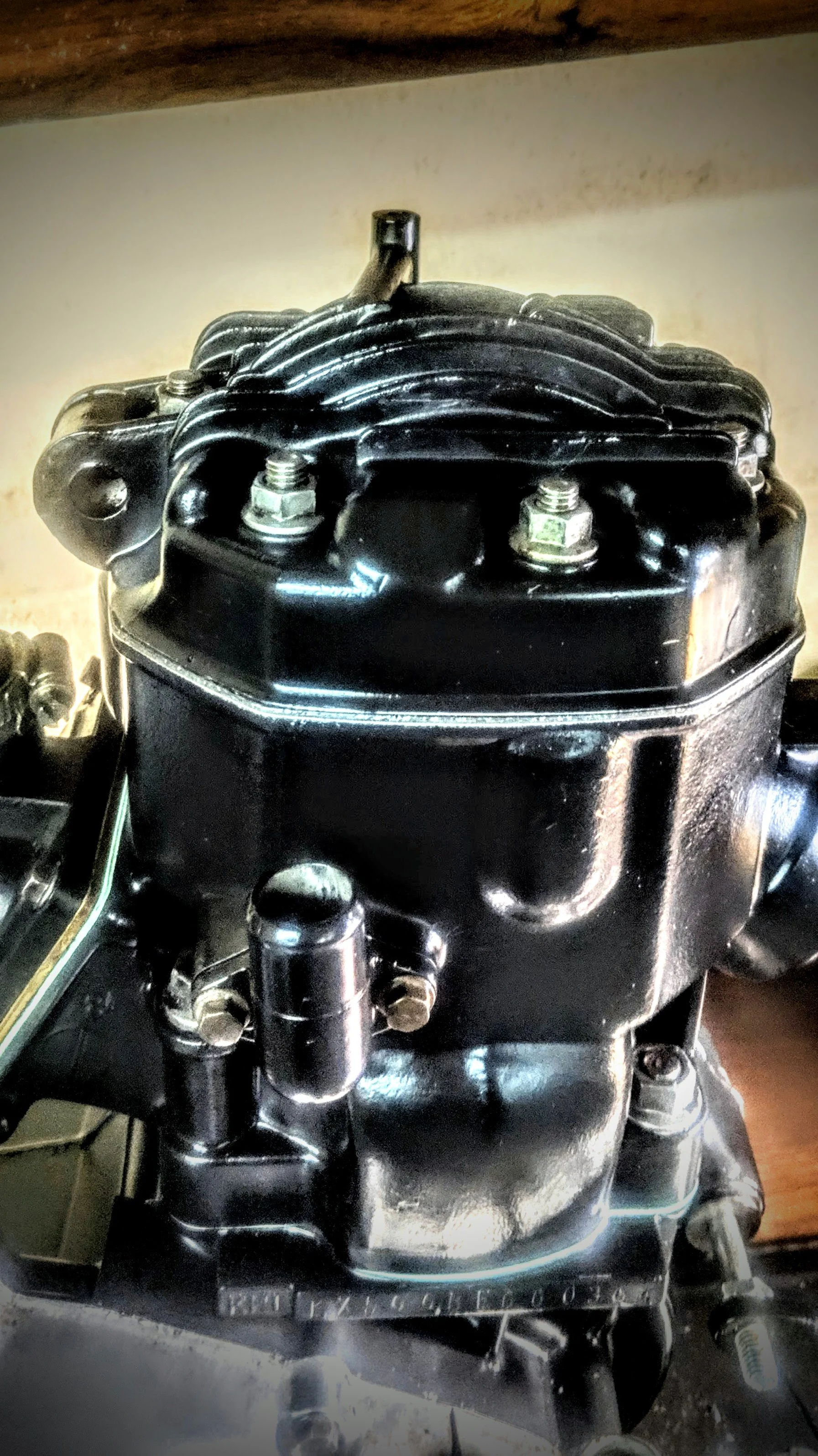
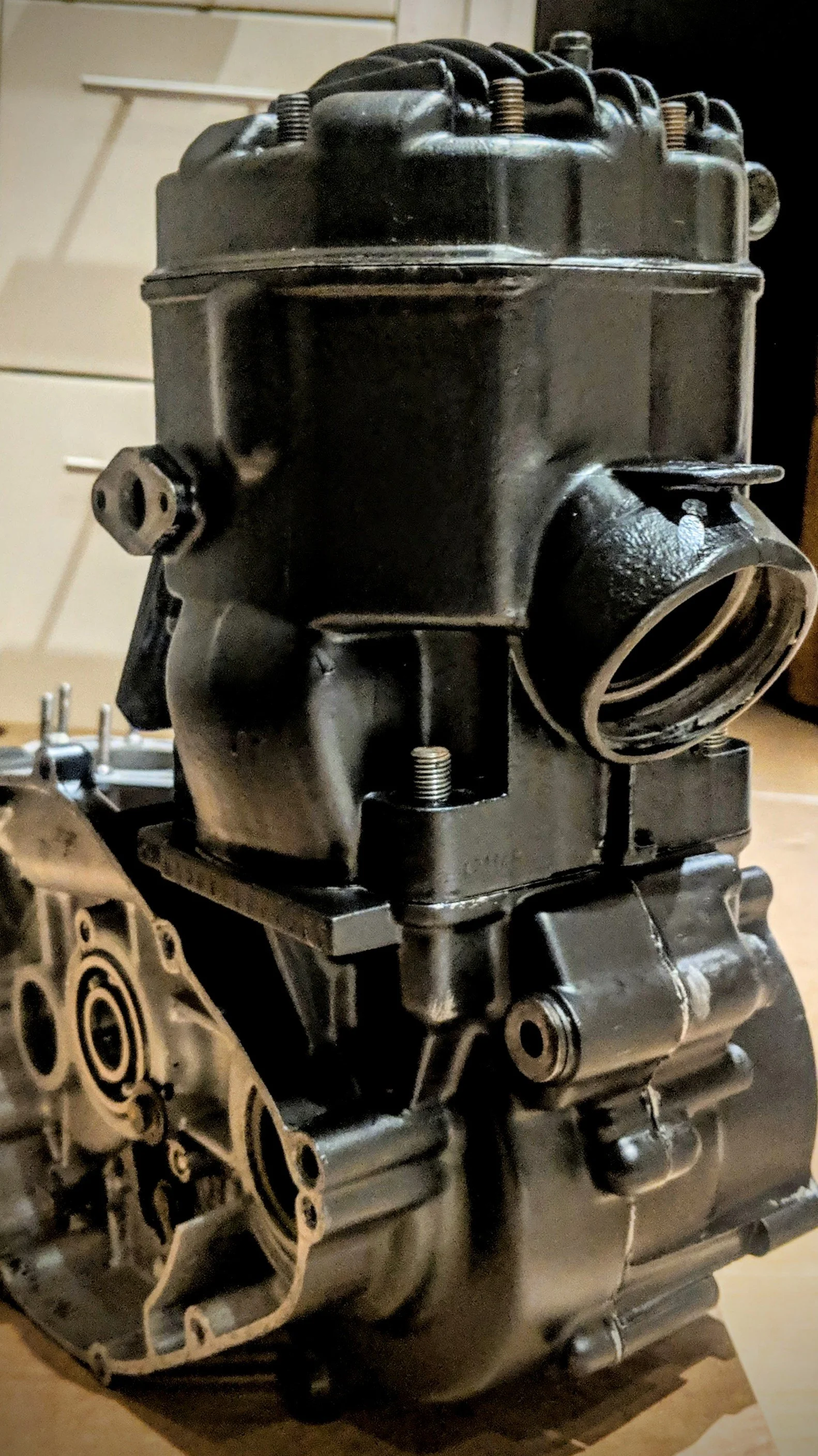
The cylinder itself was also machined to accept an iron liner — another practical long-term engineering decision ensuring easier future maintenance and rebuild options.
The original D.I.D wheel rims were intentionally retained and preserved, although further sympathetic wheel restoration work may take place during a future phase of the project.
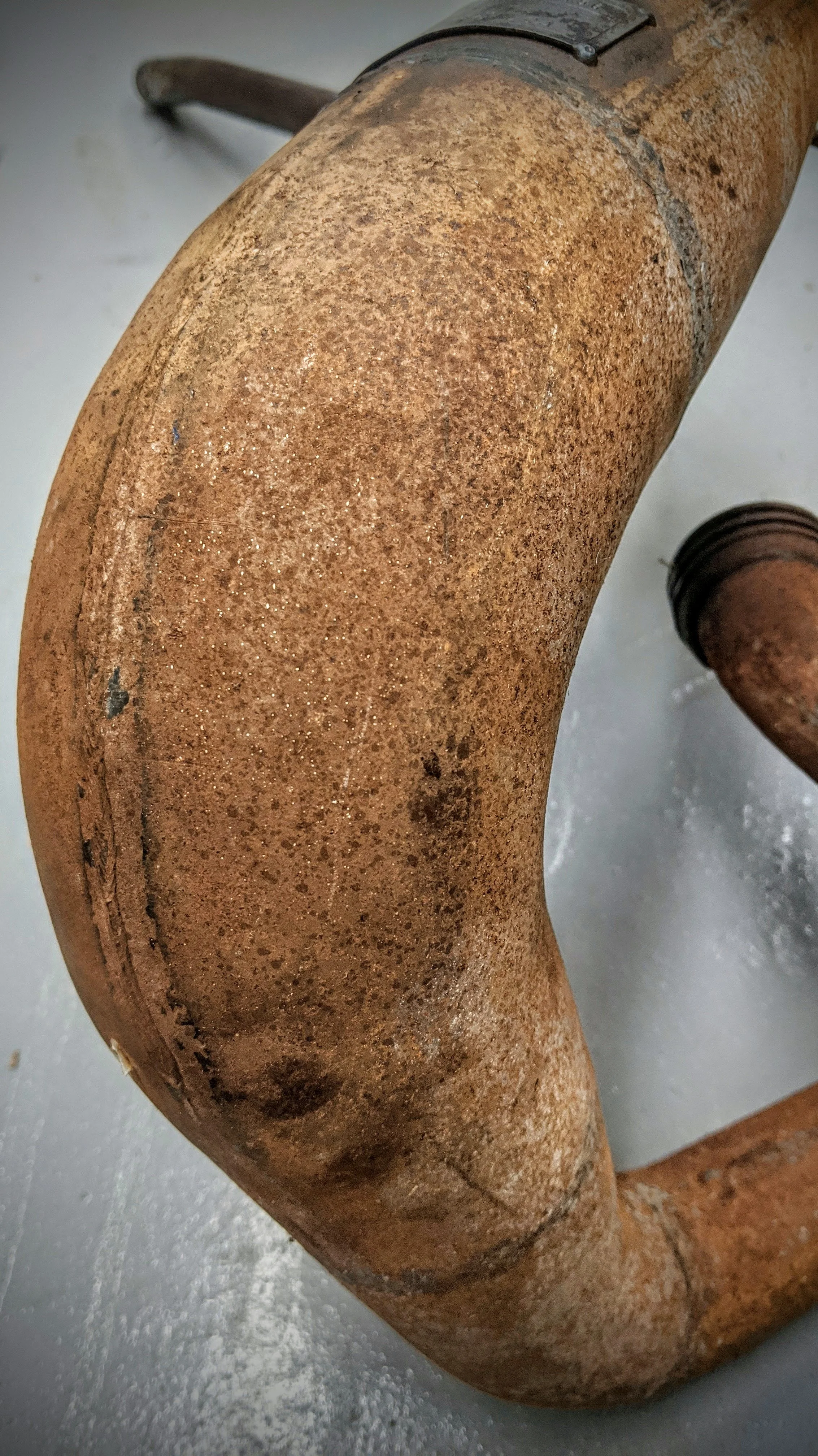
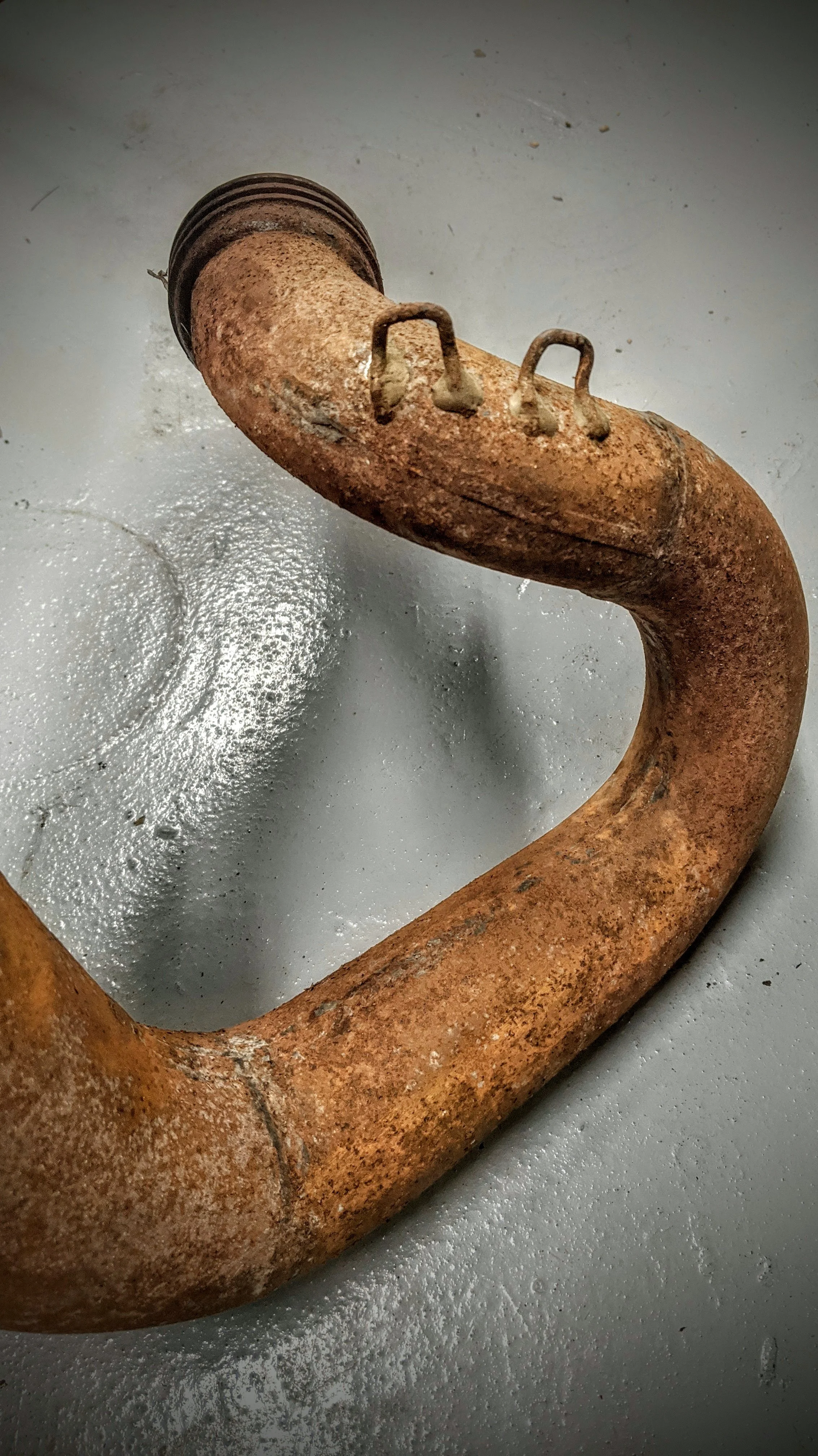
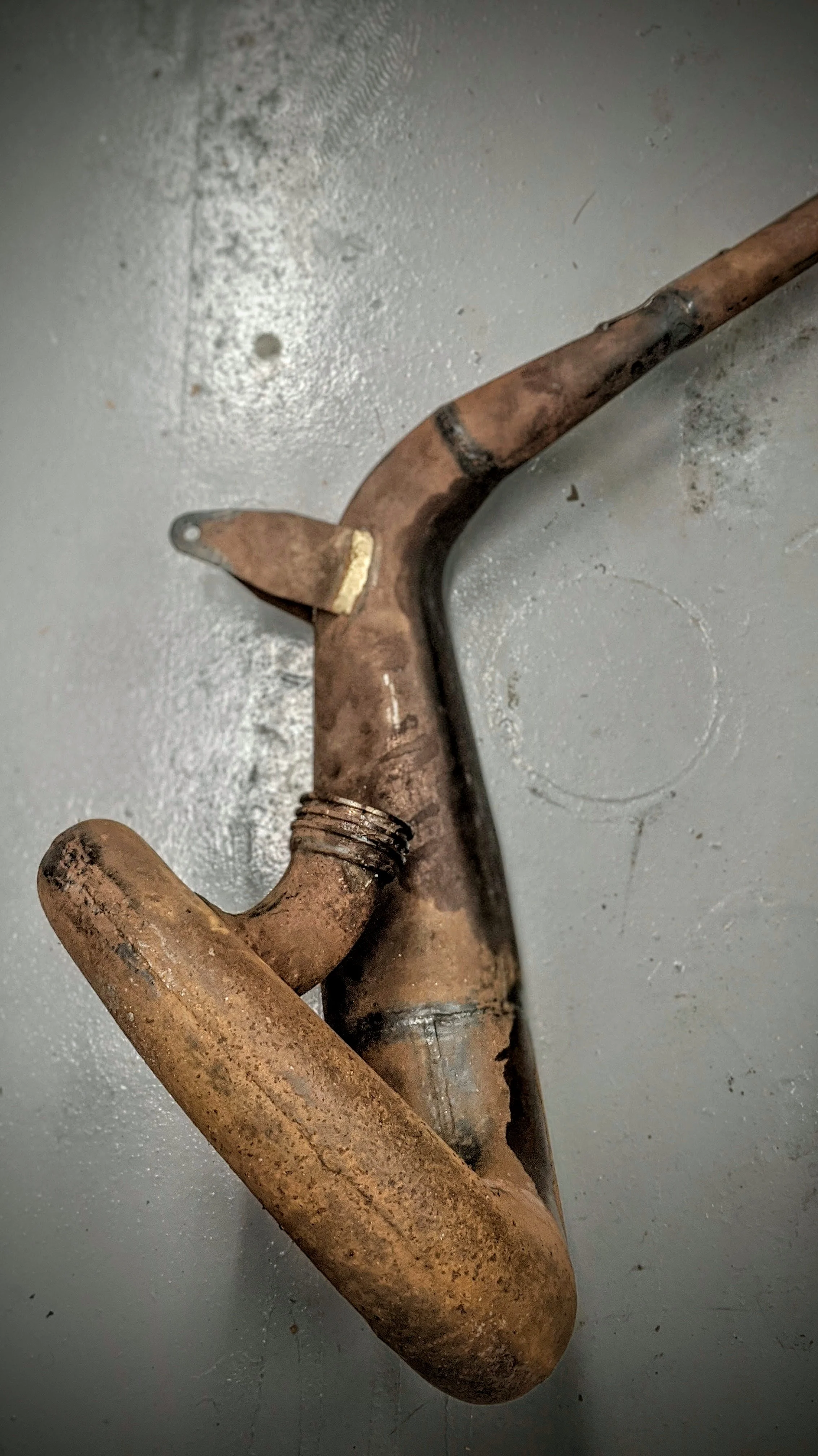
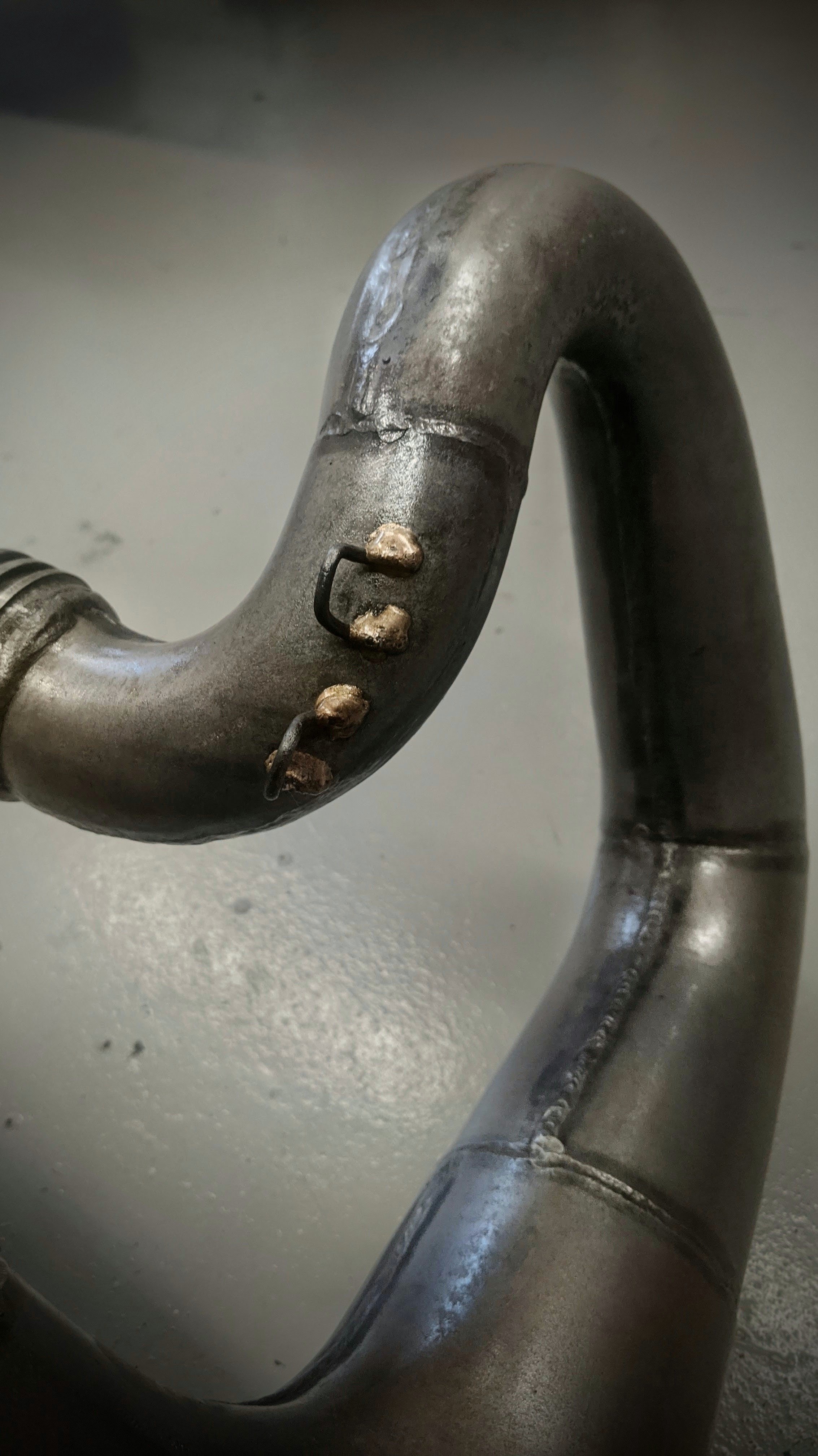
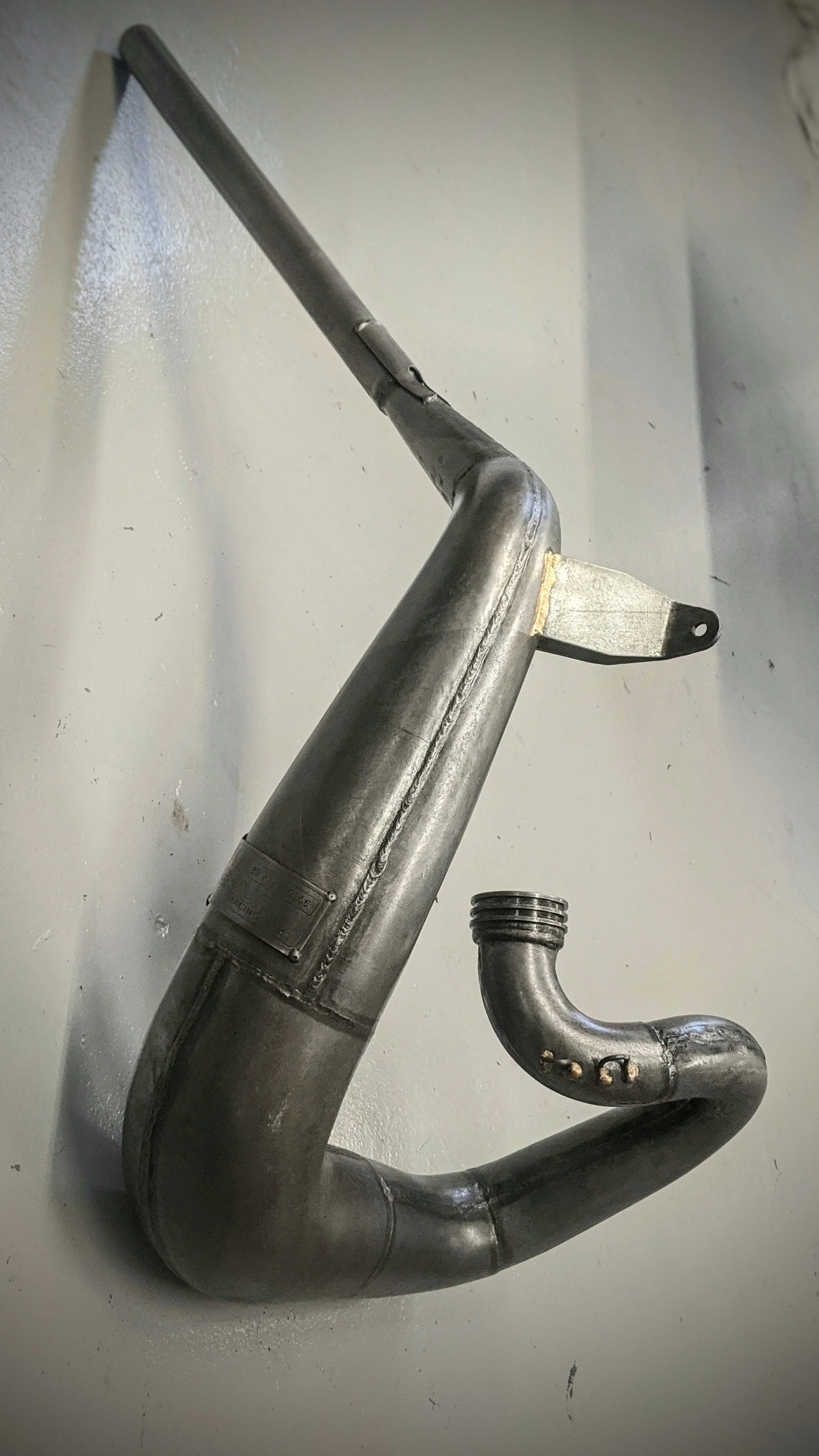
One of the greatest finds during the restoration was undoubtedly the exhaust system.
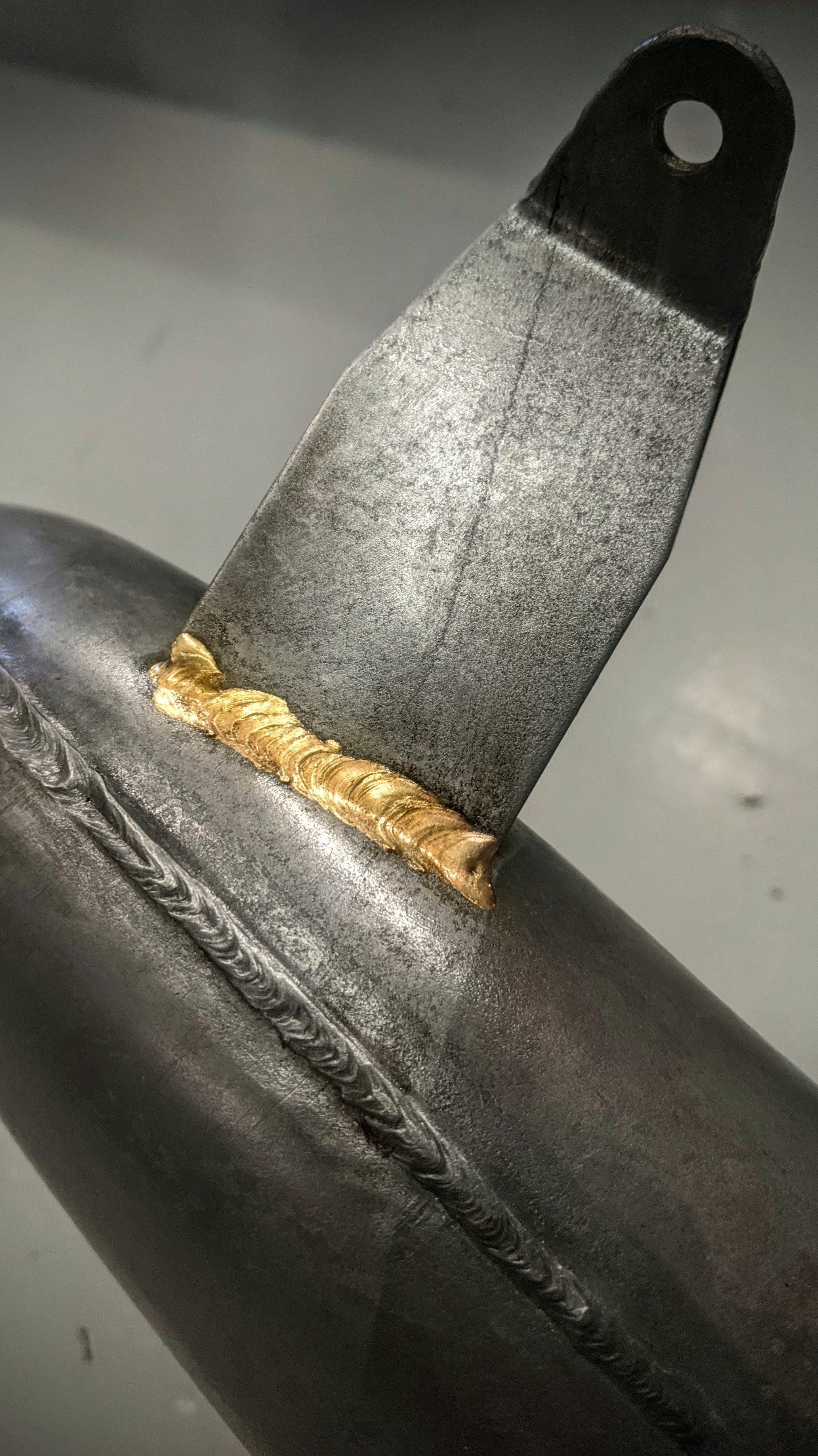
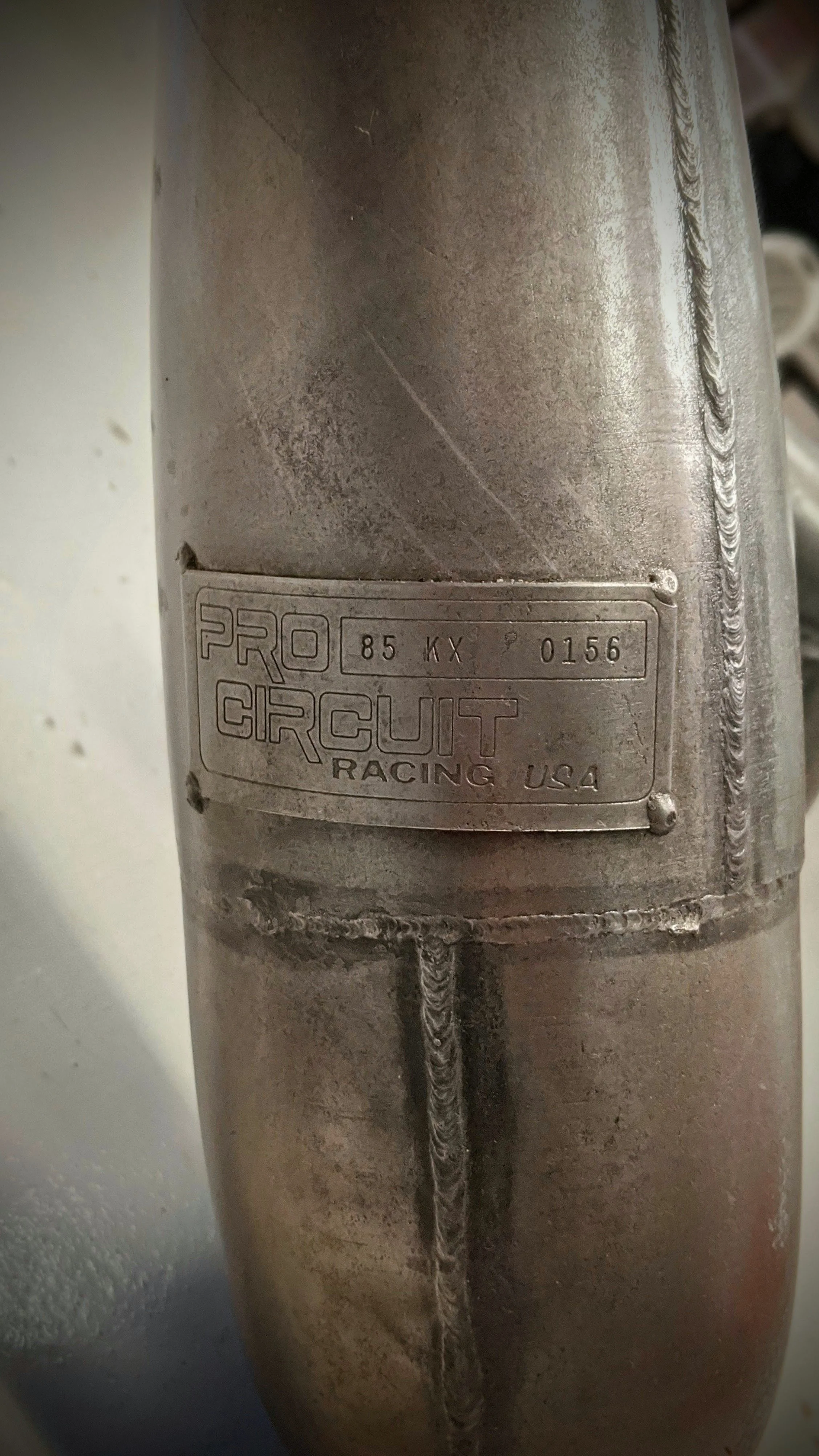
The original pipe remained with the motorcycle but had suffered decades of increasingly desperate repairs layered upon previous repairs until little structural integrity remained. Fortunately, after extensive searching, an original NOS 1985 Pro Circuit Racing USA exhaust system was located in America.
An almost mythical find.
Although the pipe carried significant surface corrosion from decades of shelf storage, internally it remained untouched — spotless, carbon-free and completely undamaged. Once carefully de-rusted, the beautiful original bronze welding emerged once again beneath the oxidation, revealing a piece of genuine period motocross history.
Today, the KX500 once again runs exactly as a big-bore Kawasaki should.
Crisp, violent and utterly alive.
An absolute weapon of a motorcycle.
The project now sits approximately 98% complete and will return in the future for further sympathetic restoration and preservation work as the next phase of its journey continues.
Quadrant Motorcycles specialises in classic motorcycle restoration, vintage motocross restoration and engineering-led recommissioning projects from our workshop in Donington, East Midlands, UK.